
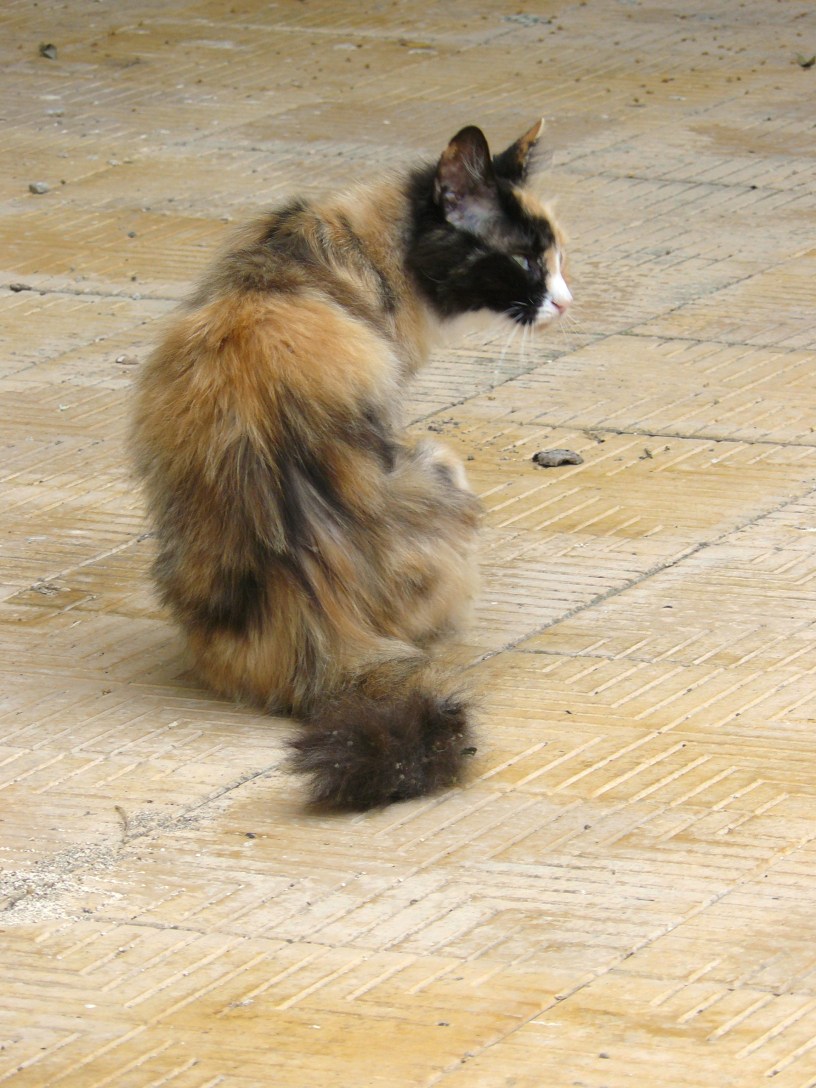
Around the same time that The Cat decided that the humans were trustworthy and started to bring her family to the garden for longer periods, the humans started to leave bowls of food out, marking the start of 24/7 feeding (which was then extended to the drive and the front path).
The ready availability of food may have heralded the arrival of more local feral cats, but then again maybe these cats had already been passing through (maybe looking for a drink, as water had always been available) but were now more likely to be spotted by the humans as the cats were spending longer in the garden when they came to eat.
By the time Pedal and Sprocket were growing up in and around the garden, one of the humans was already keeping a detailed log of which cats were spotted where and at what time. And of course, in order to do this accurately, a photographic record was useful, and names were essential.
From these records we can see which cats visited all year round, who visited seasonally, and who only occasionally (although there were undoubtedly more who came quietly under cover of darkness).
The Cat’s name appears in the records of eleven consecutive years and no other name comes even close to hers in regularity or longevity.
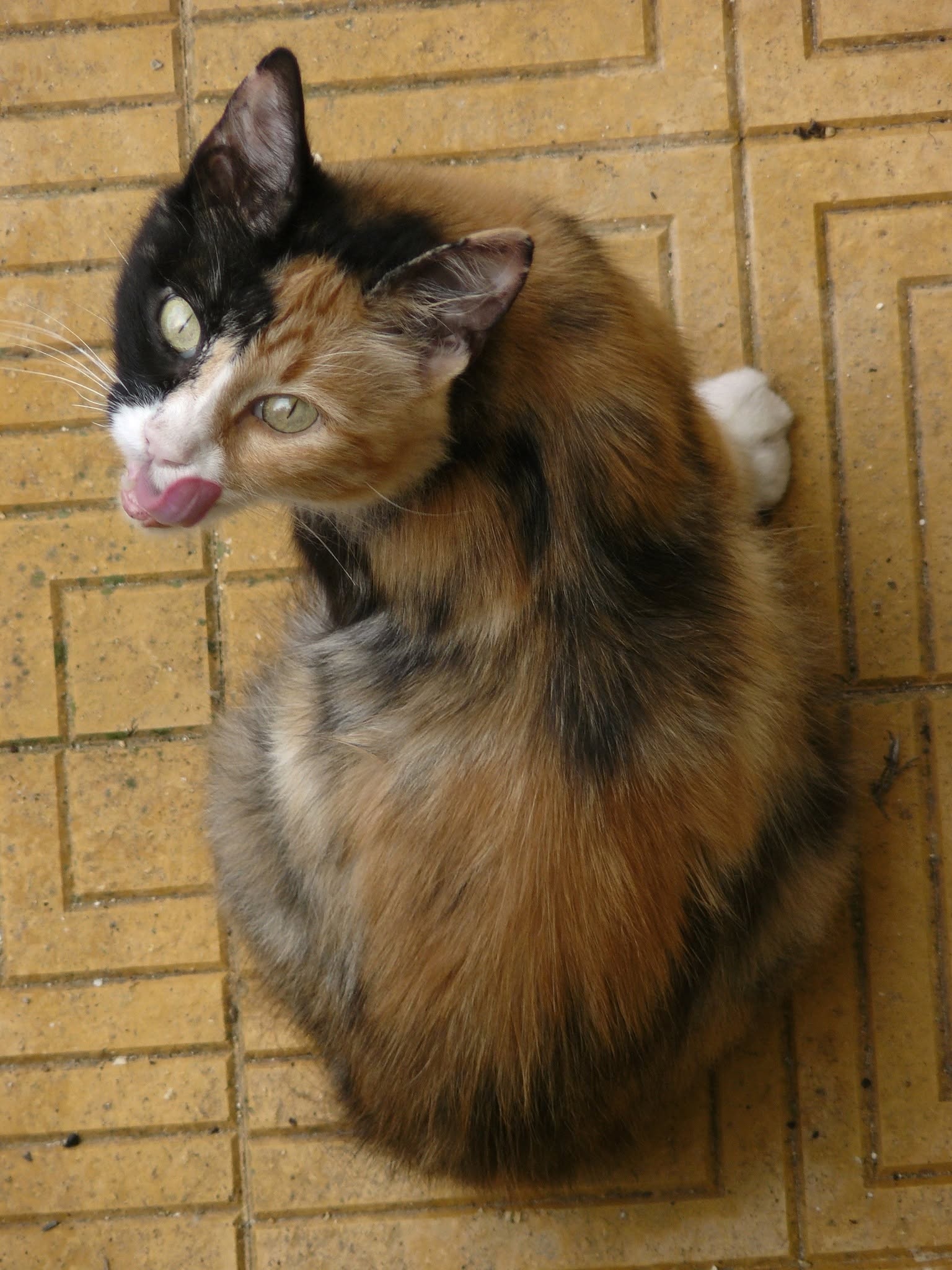
But there were Garden Family and Visiting Cats who were spotted year in year out, for up to six years (in the case of Madam Kiwi) – which was a long time for outdoor cats and shows that, if feral cats can accept a certain level of help and support from humans, their lives can be a lot longer than the 2-3 year life expectancy which is sometimes quoted in various online searches.
The Garden Family cats whose names appeared for the longest periods were namely The Cat, and, maybe unsurprisingly, her offspring Blackfur and Flora (5 and 4 years, respectively).
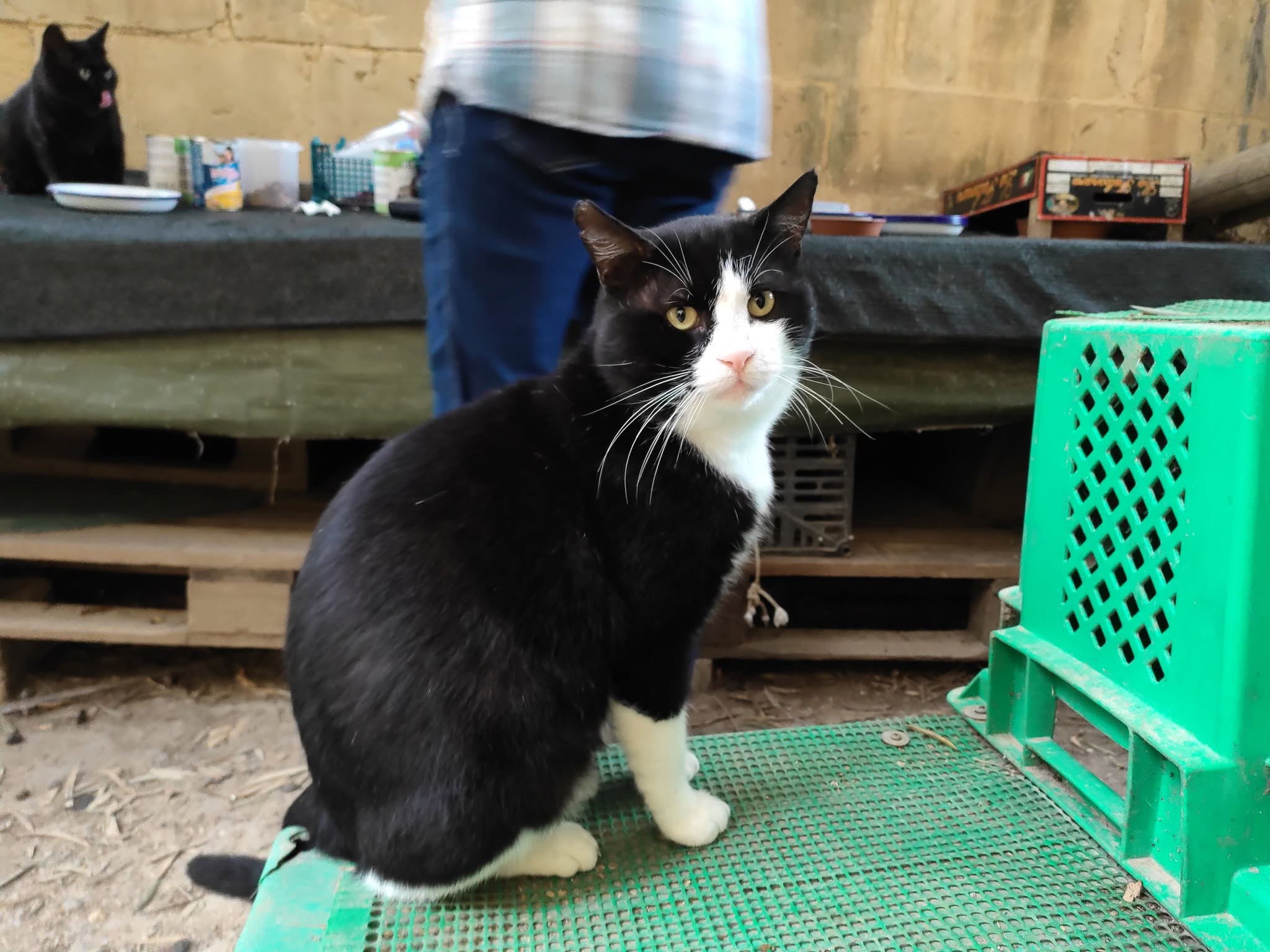
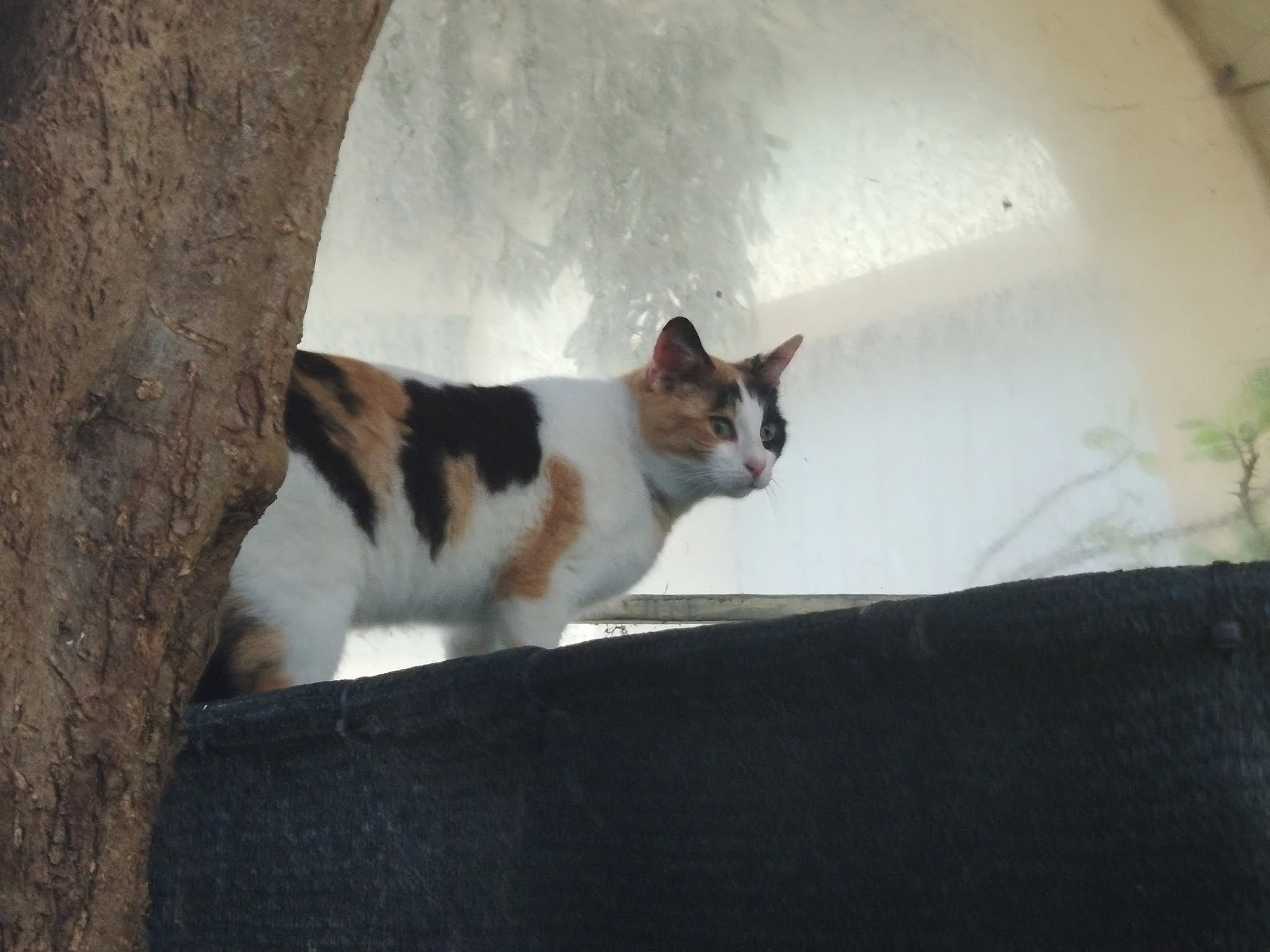
In addition, it is important to remember that Whitefur and Greyfur (who were regular visitors to the garden for 4 and 3 years respectively) had chosen to live in the fields on the other side of the road so their omission from the diary of cats in later years did not necessarily mean that anything untoward had happened to them, but rather that they were living happily elsewhere.
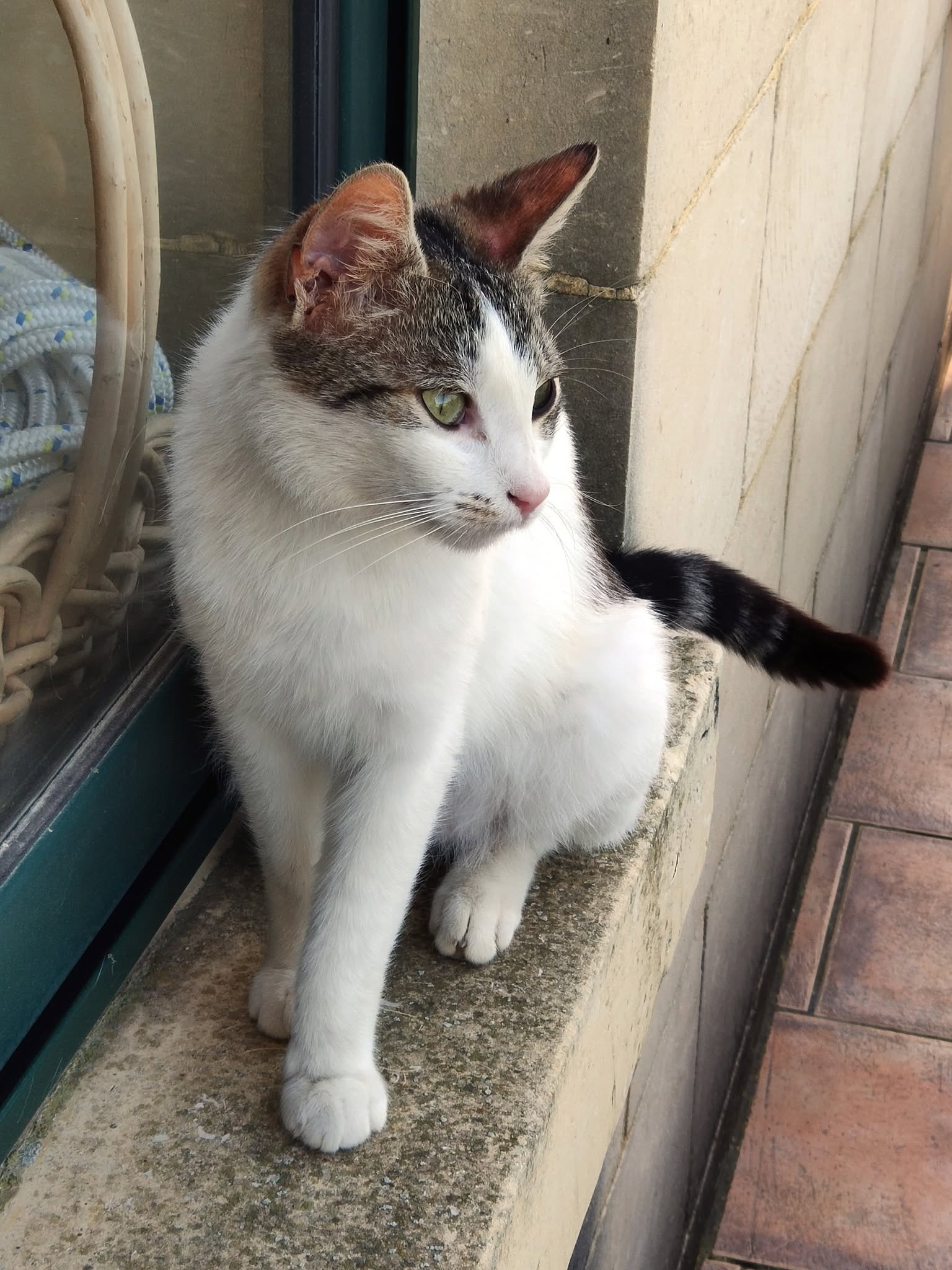
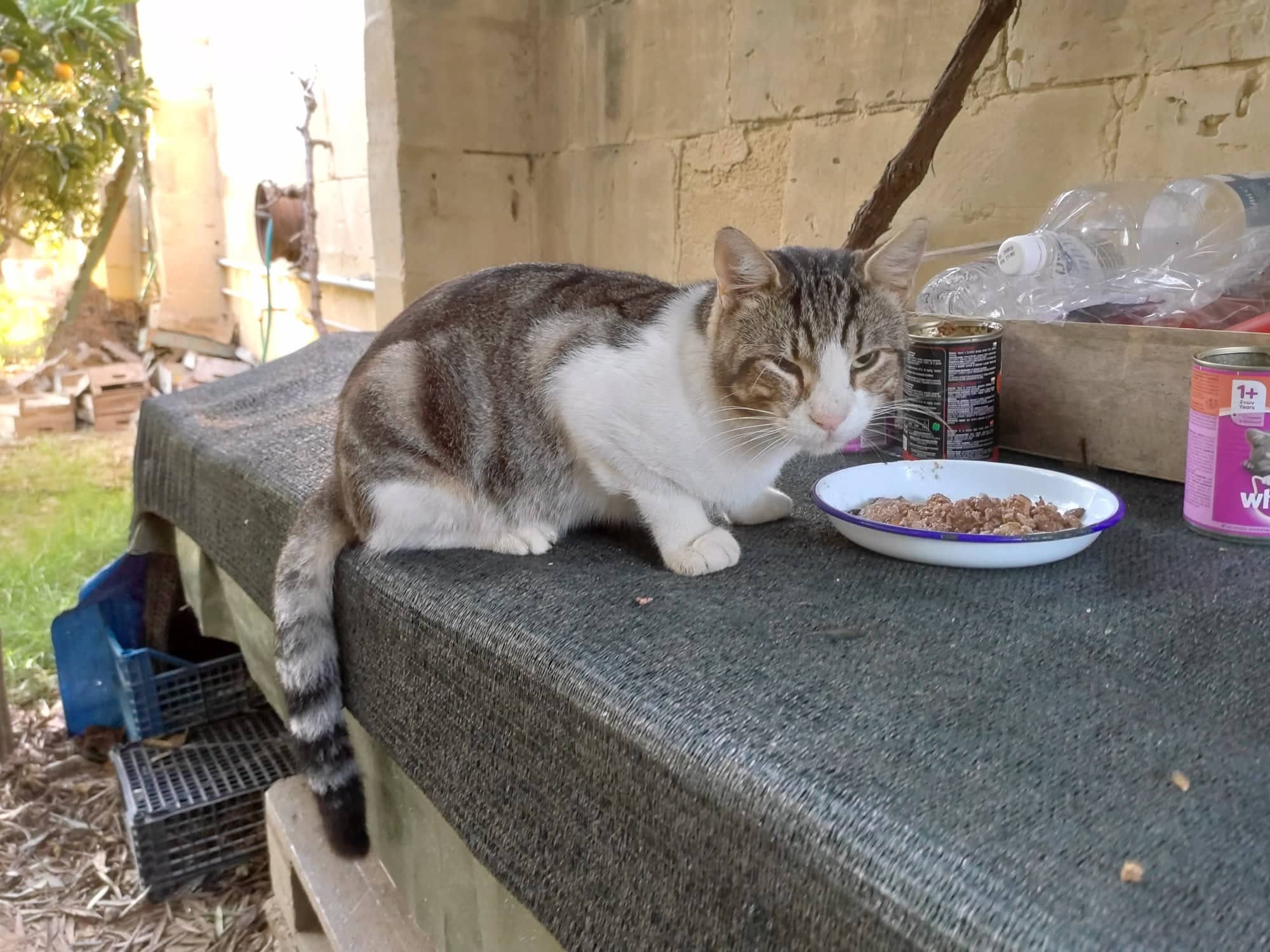
After all, they knew where to come if they wanted anything, and we could only be optimistic and assume that all was well with the,.

