
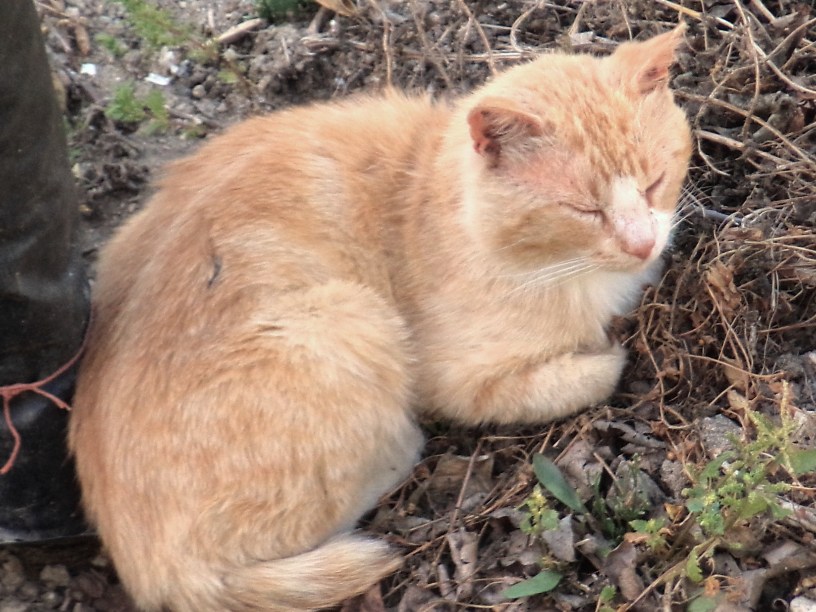
Ana had grown up into a very successful alpha-male, spending much of his time out in the fields.
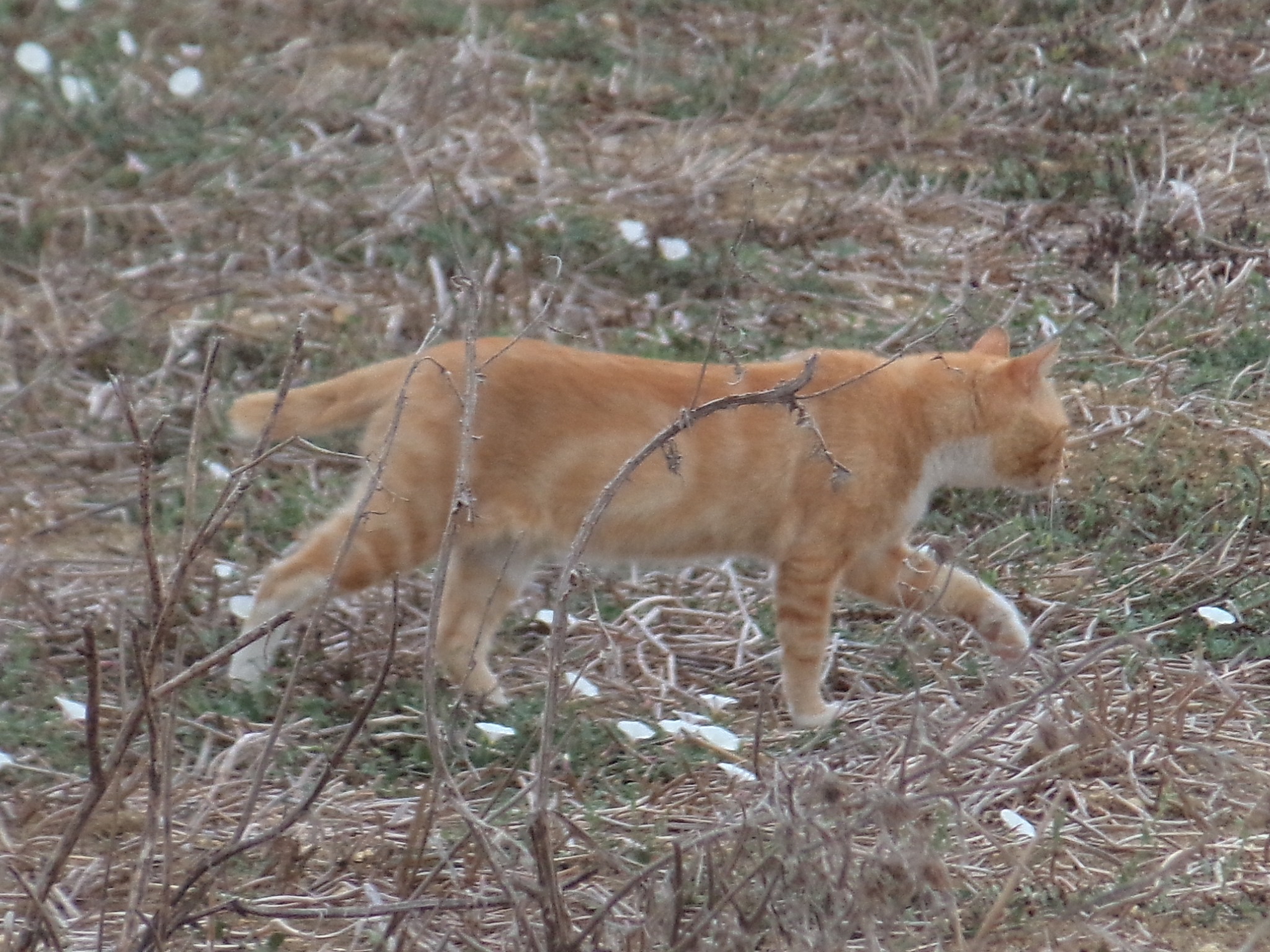
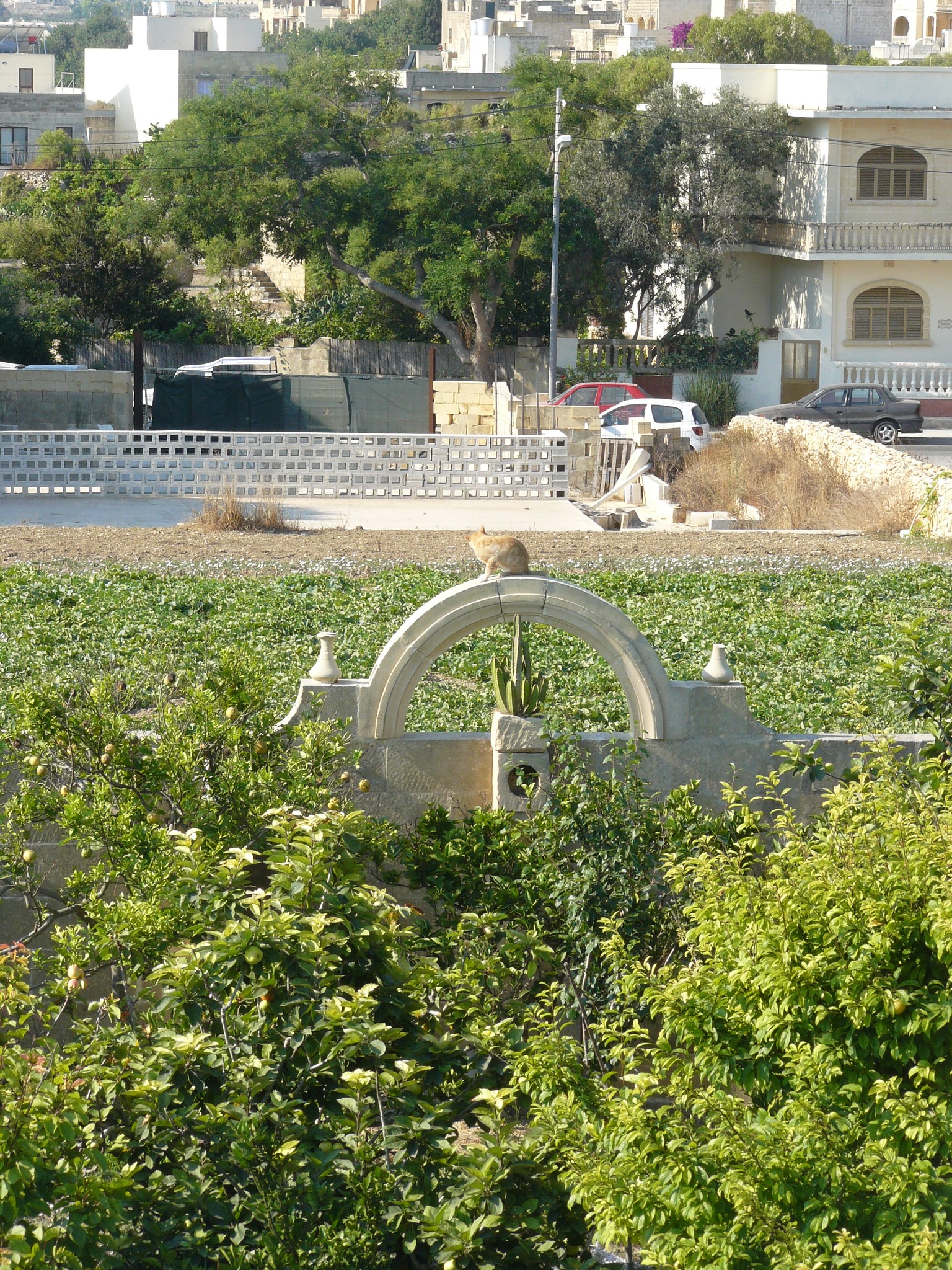
He had a large, square-shaped territory bounded by two roads, a large private garden on one side, and the culvert on the other, with the Cat’s Garden at the centre. He knew where to find food and water, where to come for shelter in the summer or winter, and where his mother, The Cat, and the humans were.
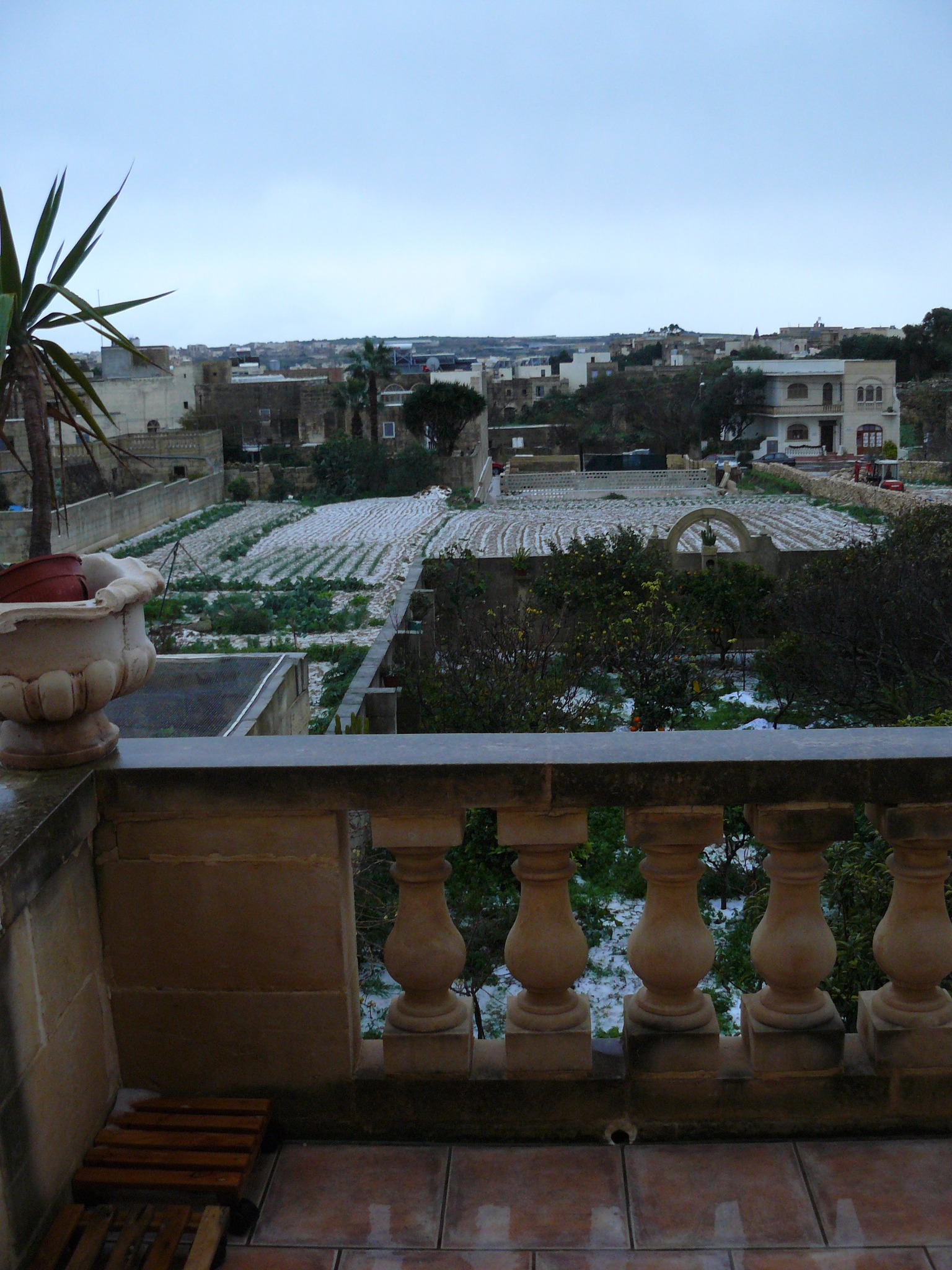
One December, The Cat’s tiny island was hit by icy weather and, on New Year’s Eve night, temperatures fell to 2.8°C/37°F, the lowest night-time temperature ever recorded here (average winter nights are around 10°C/50°F). Hailstorms had deposited inches of hail and there was an icy wind. And Ana was missing.
The body temperature of cats is higher than that of humans so cold weather can be a problem, and, even with a thick coat of fur and some extra weight, the most experienced cats can be caught out.
And, as The Cat dined alone at breakfast on this bitterly cold day, it seemed that Ana had been caught out.
A human checked every couple of hours to see whether Ana had returned. And, thankfully, he eventually did. He was found huddled at the back of the verandah, too weak even to stand and eat. And that was how Ana learnt to eat from a spoon as the human hand-fed him tinned food every couple of hours as he slowly regained his strength.
Maybe Ana had been fighting, maybe he had strayed into unknown territory and got lost, or maybe he had just fallen asleep out in the fields and not noticed the weather – whatever the reason, he used his last ounce of energy to drag himself back to the garden and save himself from perishing in the fields.
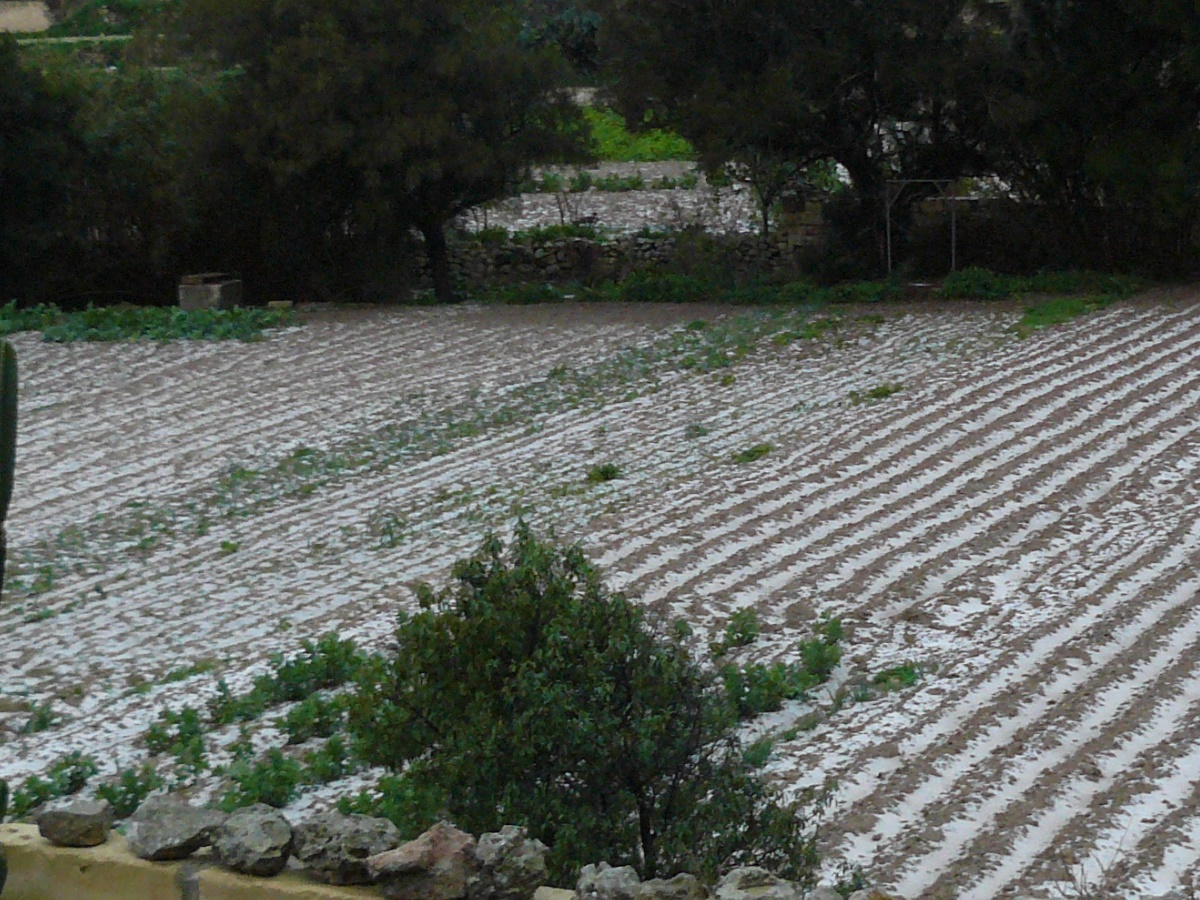
No photos exist of Ana on this day – the humans were too busy nursing him to take any photos. But you can see from the photos of the neighbourhood that conditions were difficult for a cat, out in the fields on a dark, icy night. Ana had had a narrow escape.
 thecatisbusy