
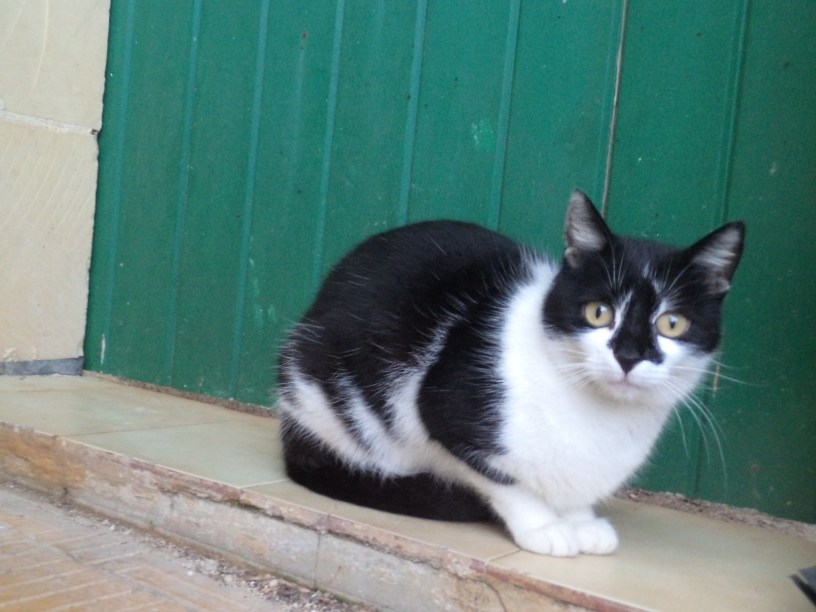
During the first few years of feeding the cats, black-and-white cats were a rarity. Most of the feral alpha-males were orange, with the exception of a black-and-white cat called Corky, who famously paid one visit to The Cat’s Garden in the hope of winning The Cat’s heart. The Cat led Corky a merry dance up and down the garden before she made her feelings clear, and Corky returned disappointed to the fields opposite and was never seen in the garden again.
And then another black-and-white cat arrived from the other side of the road – maybe it was Corky’s offspring. We called it Quink (named after the famous brand of ink) and assumed it was male; it was certainly feral, which was why it took a while to discover that Quink was a girl and not a boy.
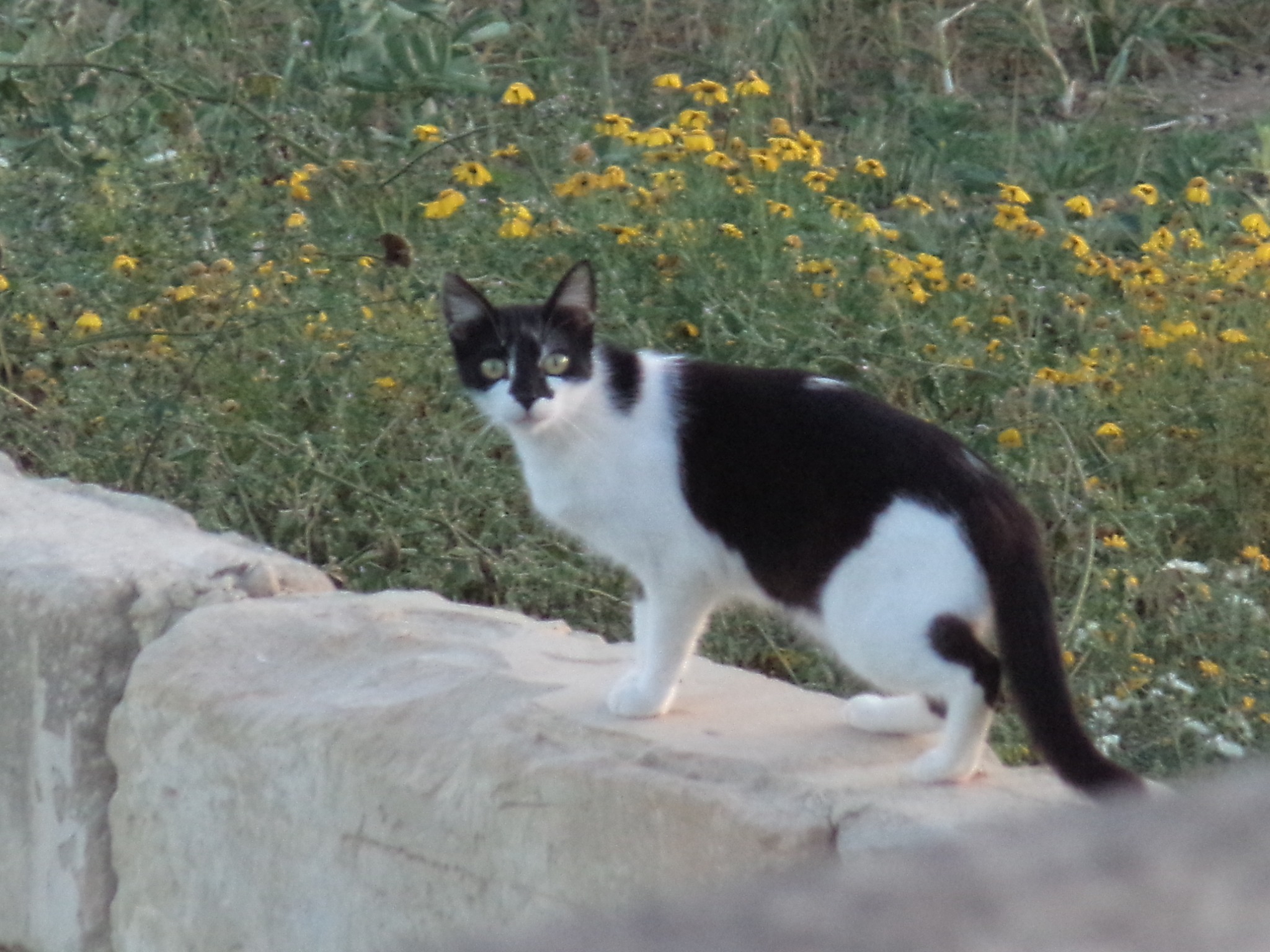
Quink was a true feral, nervous and wary of everything. She was quite fascinated by the humans but her feral nature prevented us from getting close. She would sit and stare through the windows of the house, watching the humans moving about, and seemed mesmerised when a human would magically appear through the front door.
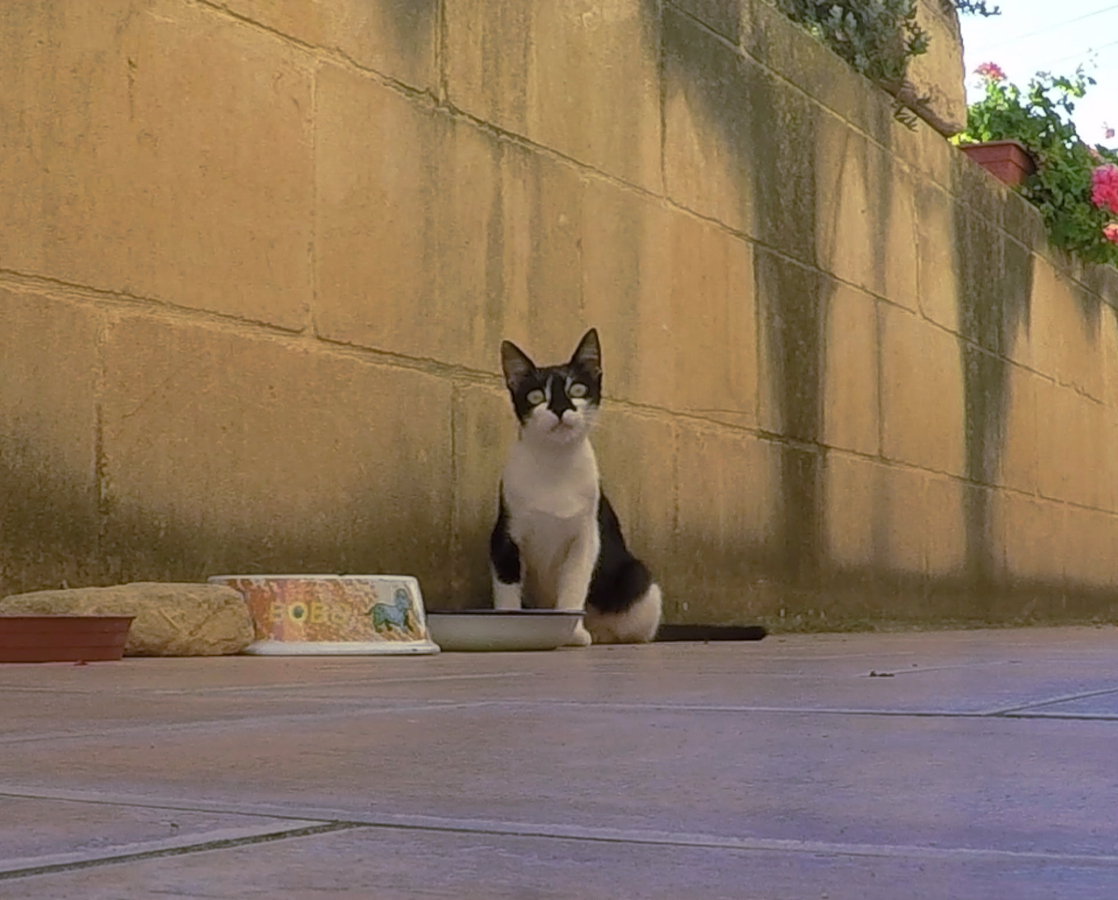
Quink became a regular visitor to the feeding bowls and explored the neighbouring fields on our side of the road, meeting some of the other Visiting Cats. She bonded with up-and-coming alpha-male Longtail, and also with Dinky who had arrived a few months earlier. We called them The Three Mouseketeers and they adventured together, enjoying each other’s company.
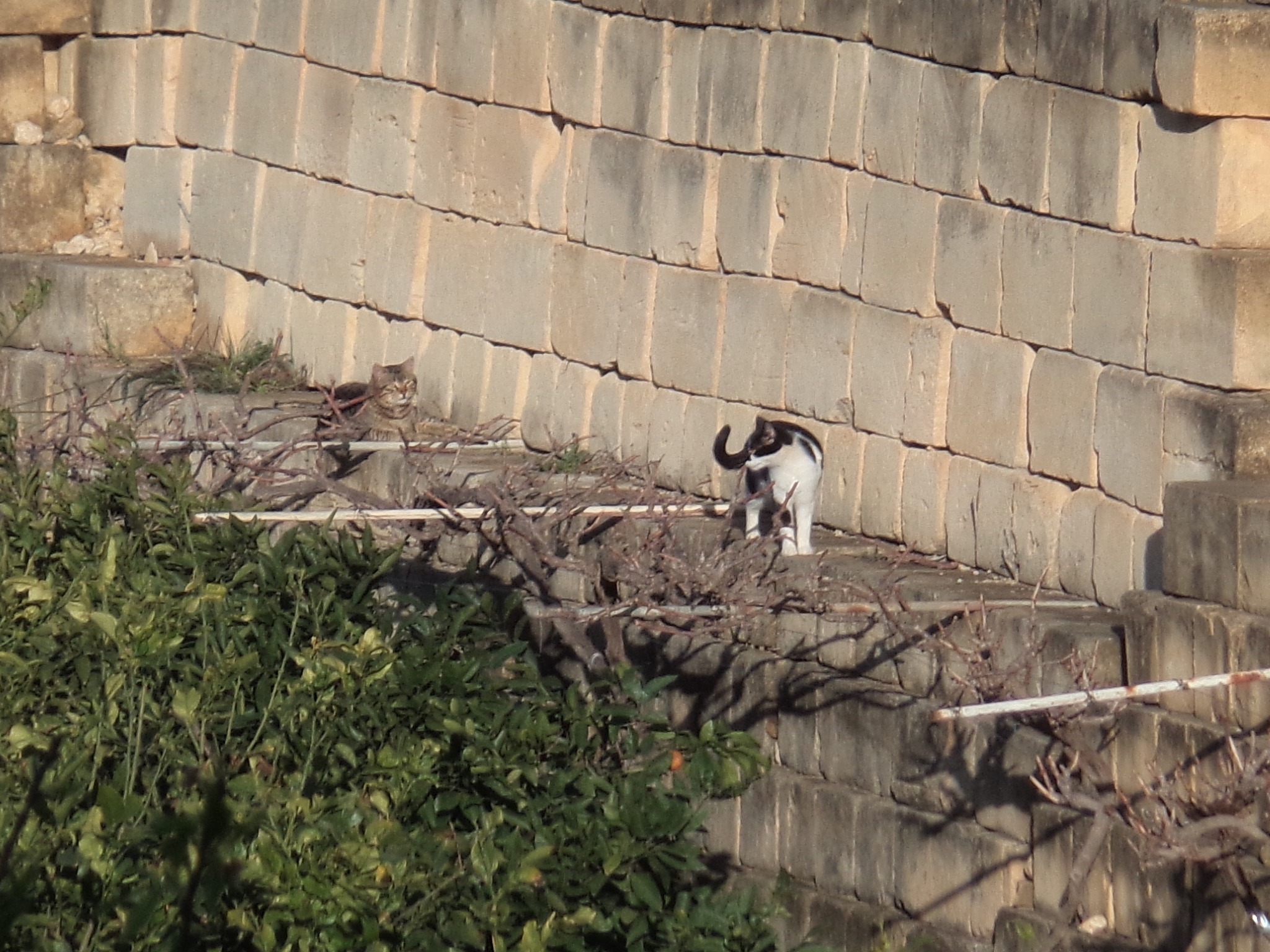
Dinky was a naturally affectionate cat and it wasn’t long before he fell head-over-heels in love with the beautiful Quink. He was captivated and filled with pride, all at the same time. Quink had stolen his heart.
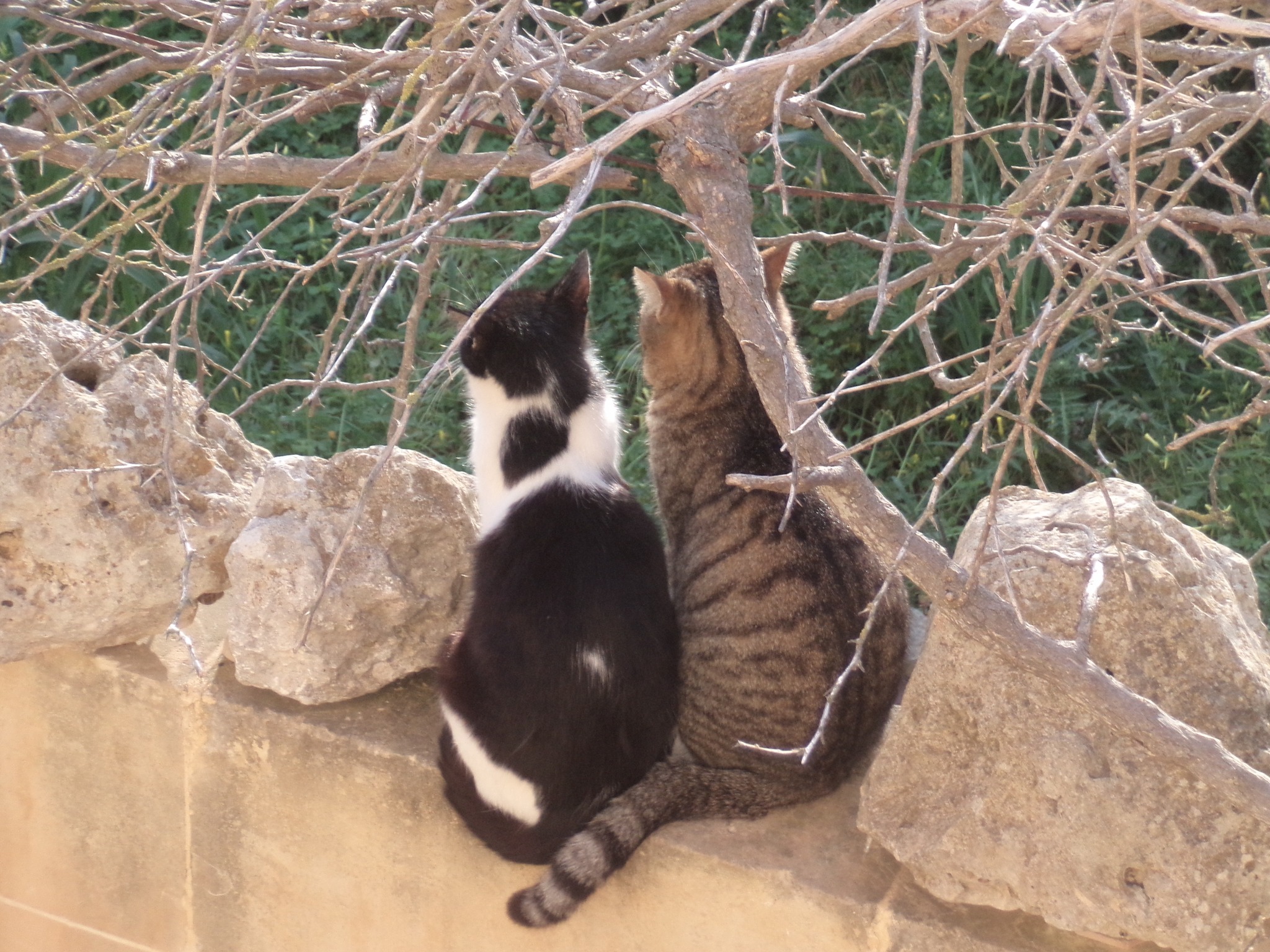
And then, sadly, Quink became ill and disappeared. Dinky sat on the wall of the drive, staring mournfully into the fields, willing her to come back, but to no avail. The first cut is the deepest, as they say, and Dinky was learning the hard way.
 thecatisbusy