
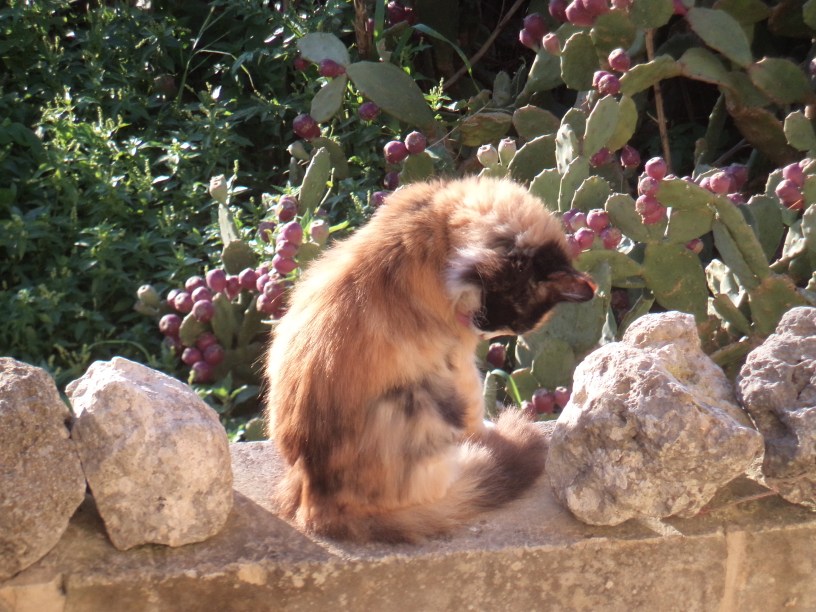
When we first met The Cat, she was a slender, long-bodied and leggy lady with a short coat. With regular food and water, and shelter from the hot and cold weather, she blossomed; her coat thickened up over the course of the first few years and, some winters, she had quite a magnificent ruff. But, despite outward appearances, she remained as slender as ever underneath all that fur.
So, here are twelve photos, one for each month of the year, showing the changes in her coat.
January. The weather can be windy and cool and The Cat’s coat looked even thicker when she was patrolling the garden walls in the wind. Her fur may have been ruffled, but she certainly wasn’t. Some years she had thick fur on the back of her hind legs which gave the appearance of pantaloons.
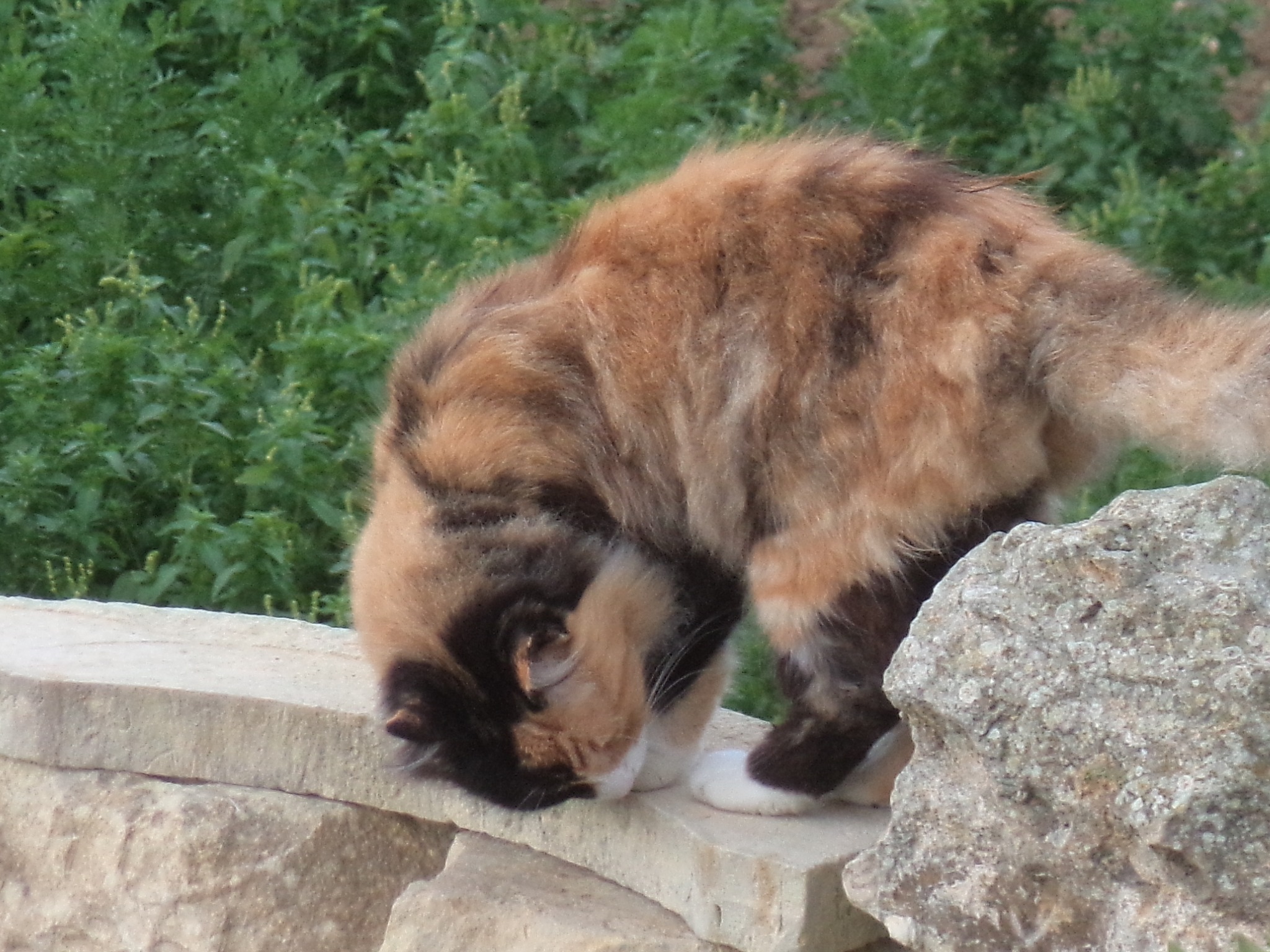
February. The Cat pictured here walking along the edge of our neighbours’ aviary. For a genteel, lady cat with fine bone structure, her paws always seemed surprisingly large. Some years, she had a thick, white ruff which you can see slightly here.
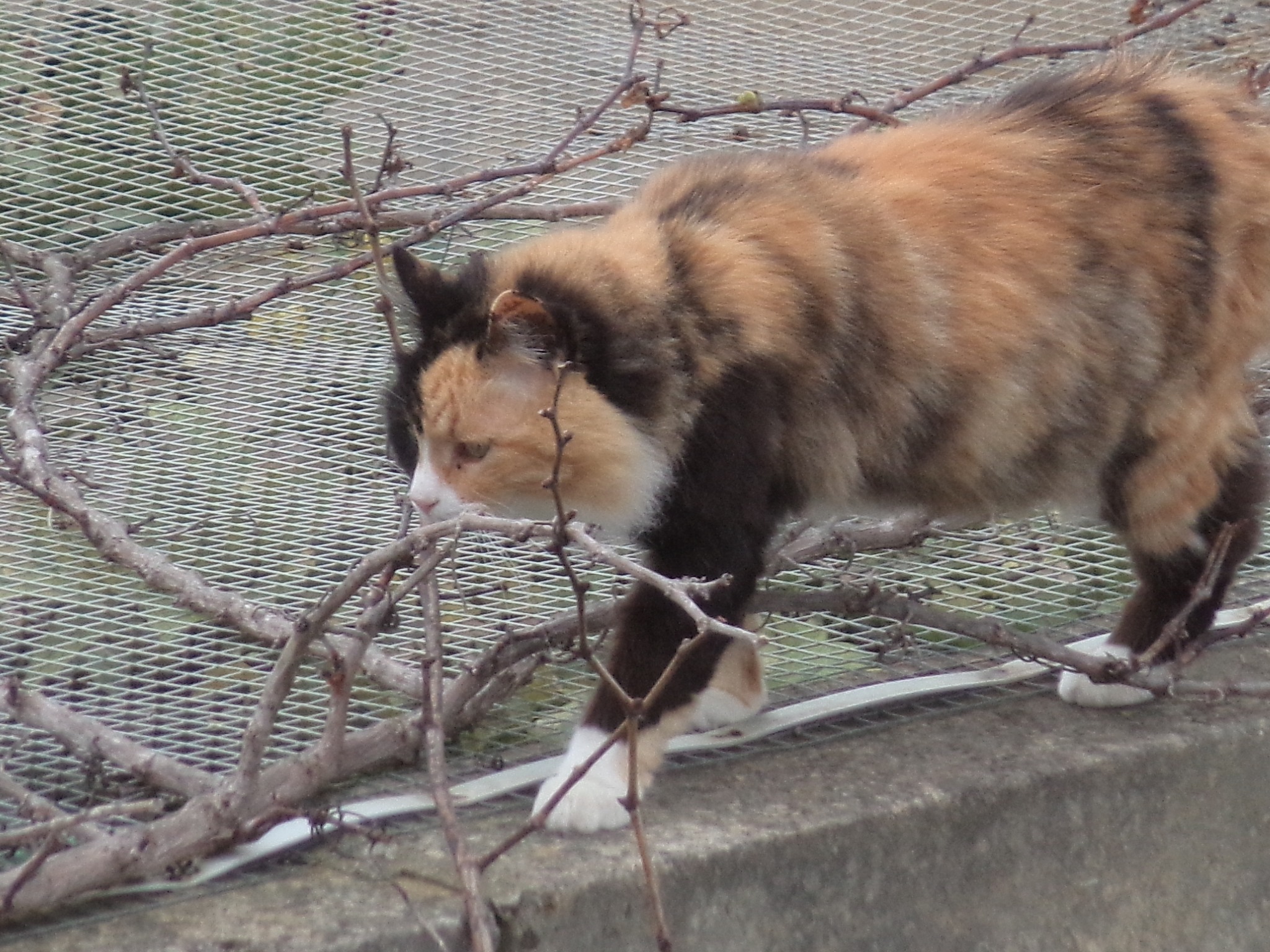
March. The weather can be cool and damp during March and, after the winter months, The Cat was looking noticeable thinner here, despite her winter coat. More food and calories were required, and staying close to the food supply was imperative, especially for older cats.

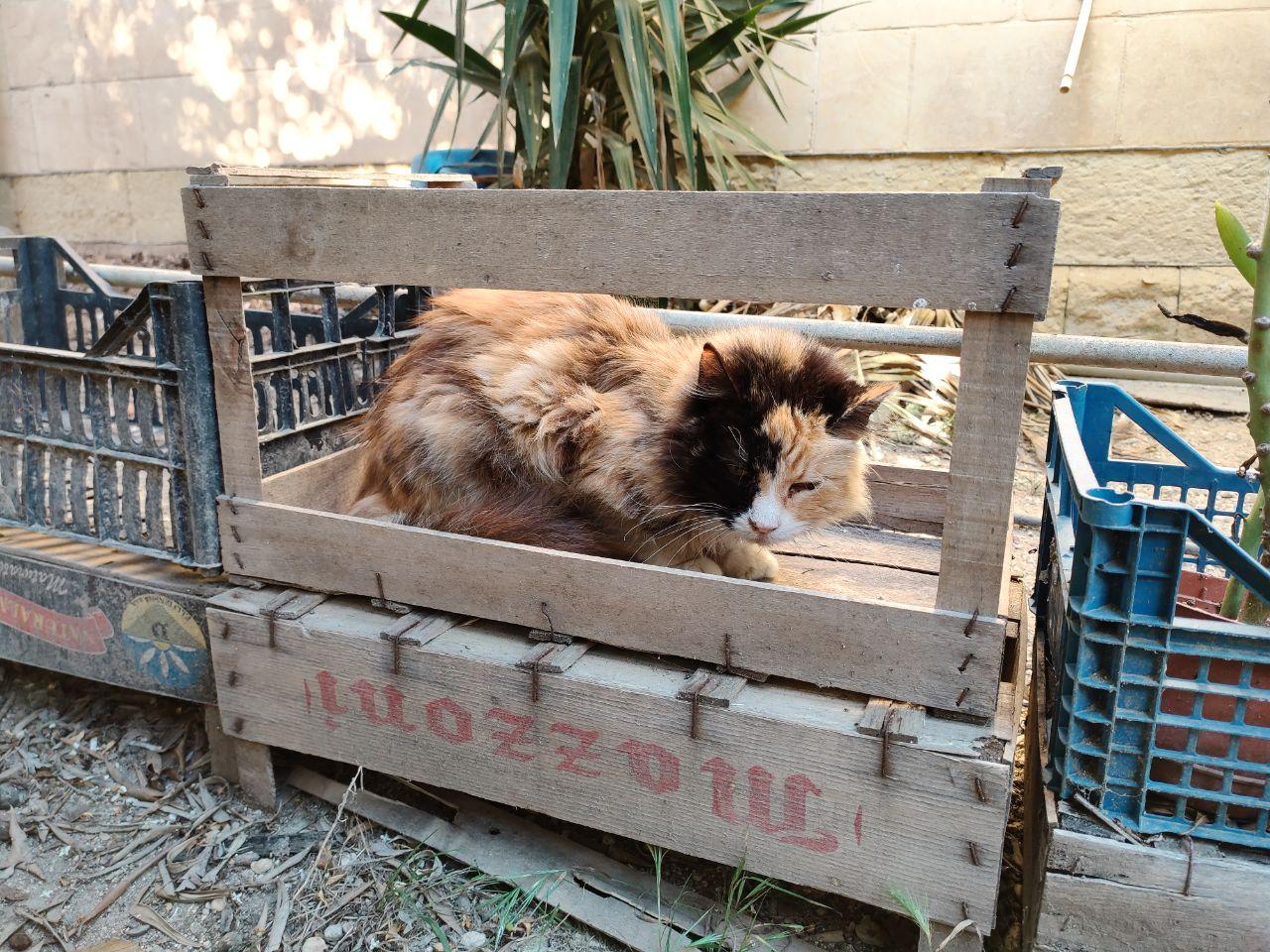
April. A photo of The Cat in her later years. She had developed FOPS (feline orofacial pain syndrome) and preferred to eat in this box, where she was less likely to be bothered by the other cats (with the exception of the occasional bold kitten) and could take her time. She learnt to cope with FOPS, and it was easy to quickly remove her bowl from the box until the spasms had passed and she was calm again – early on, she would stamp her feet and claw at her mouth and face, sometimes treading in her bowl in her panic. Her coat reflected her age, and grooming was becoming more tiring for her.
May. A relatively early photo of The Cat. When this photo was taken, she was nursing kittens in the fields and came to the drive for food and water where she would bring the kittens when they were ready for weaning. Sometimes she would look as though she was wearing half the field – pulling all the bits out thinned her fur and made it look patchy.
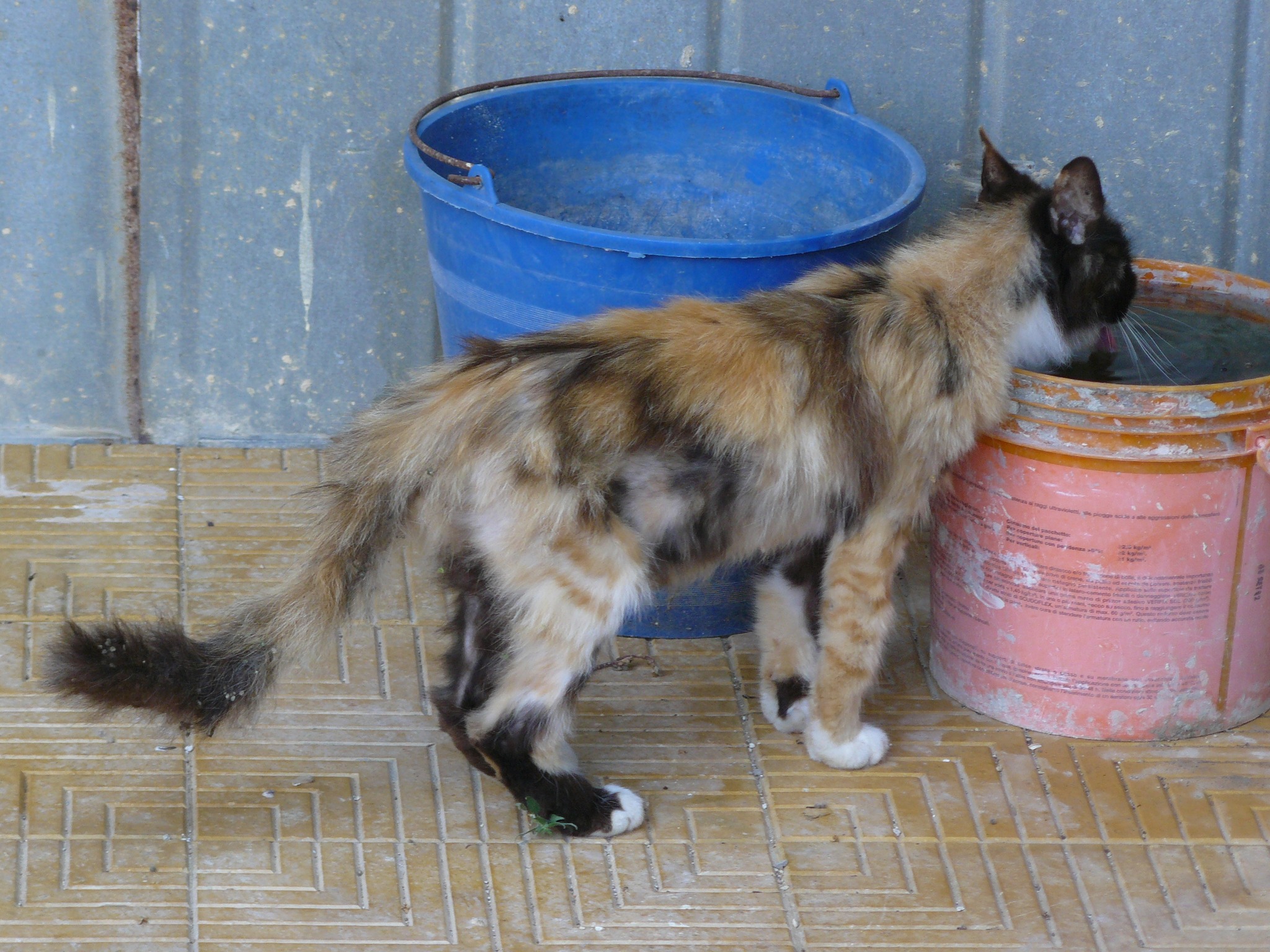
June. Life in the garden suited The Cat. There was no need for grooming to remove grasses and burrs, so her coat was in better condition than when she was living in the fields.
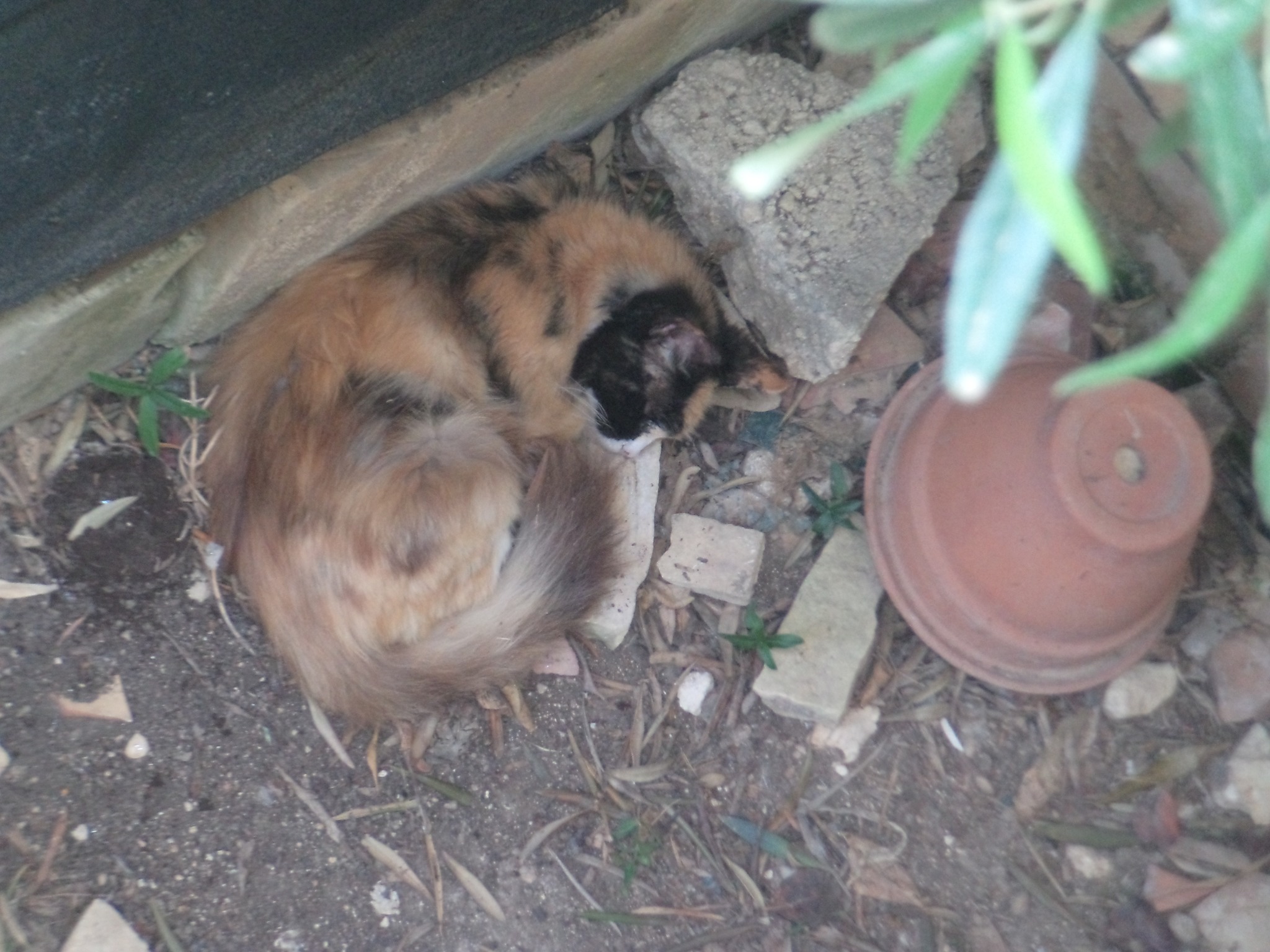
July. The Cat felt the cold more as she got older, and moulted less during the summer. But however thick or thin her coat was superficially, there seemed to be a very similar amount of cat beneath.
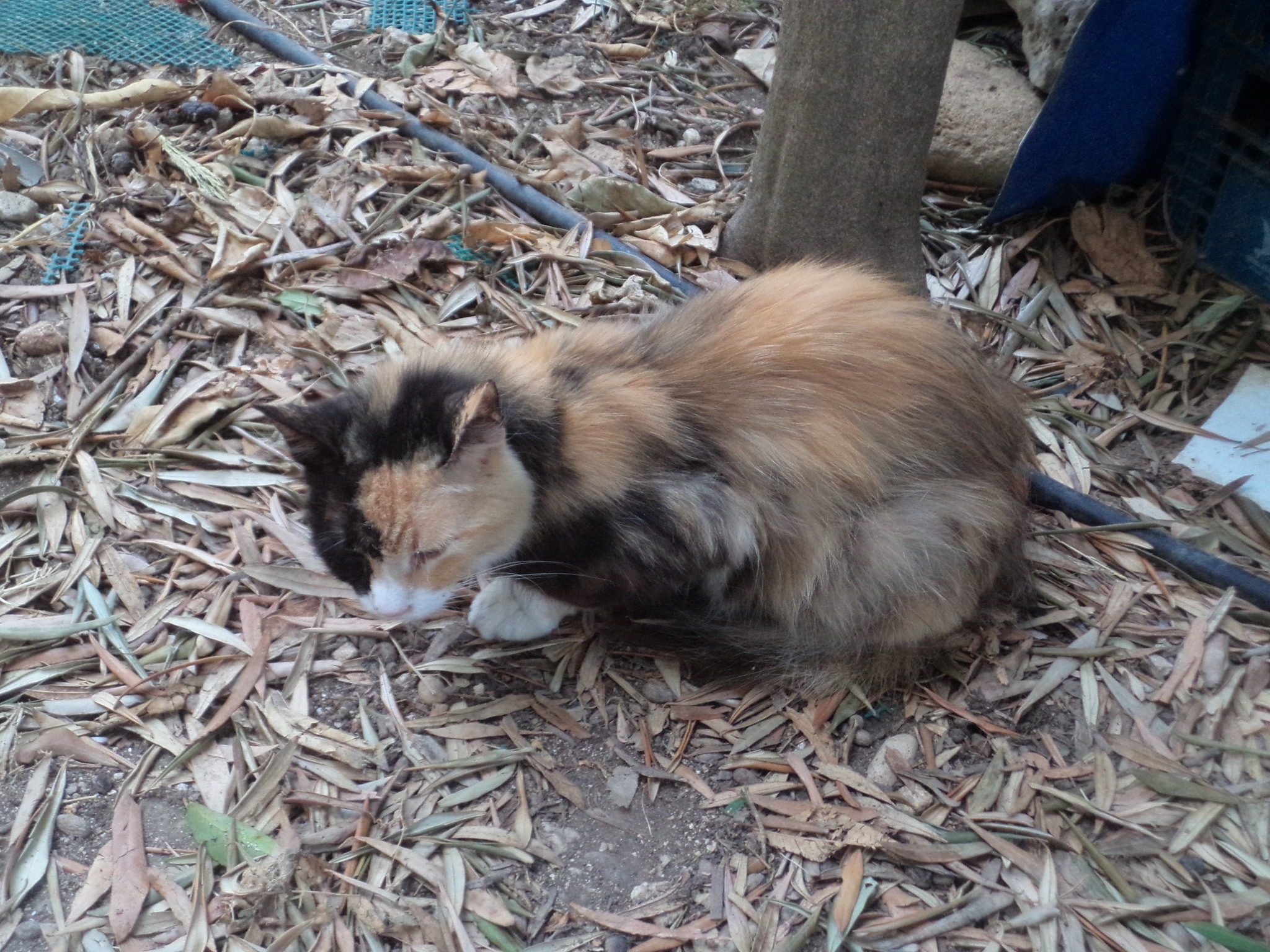
August. The hot weather is tiring and the cats would nap the day away, moving into the shade as necessary. Cats would choose to lie in the long grass or on a cool surface, where they could stretch their legs out; cats perspire through their pads, so being curled up in a box is not desirable in hot weather.
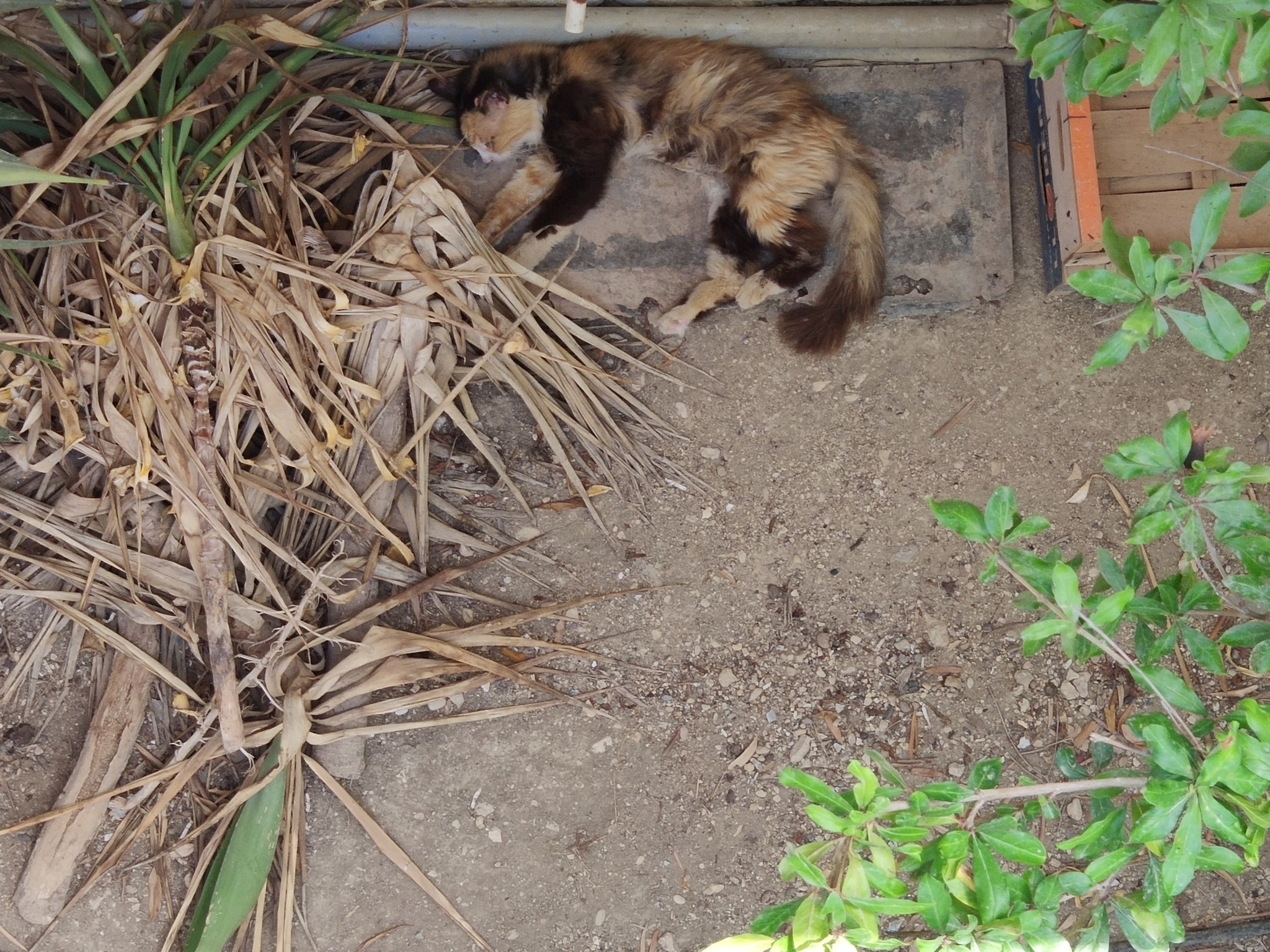
September. The sun is still warm by day, but the nights are getting longer, cooler and damper. The Cat would lie with her back to the wall which was heated by the sun behind it, giving the same effect as a radiator.

October. If The Cat had had kittens in the spring, they would be weaned and independent by now, leaving her time to enjoy the autumn sun and relax. Her coat would now be thickening up in preparation for the winter and she would be increasing the amount she ate.
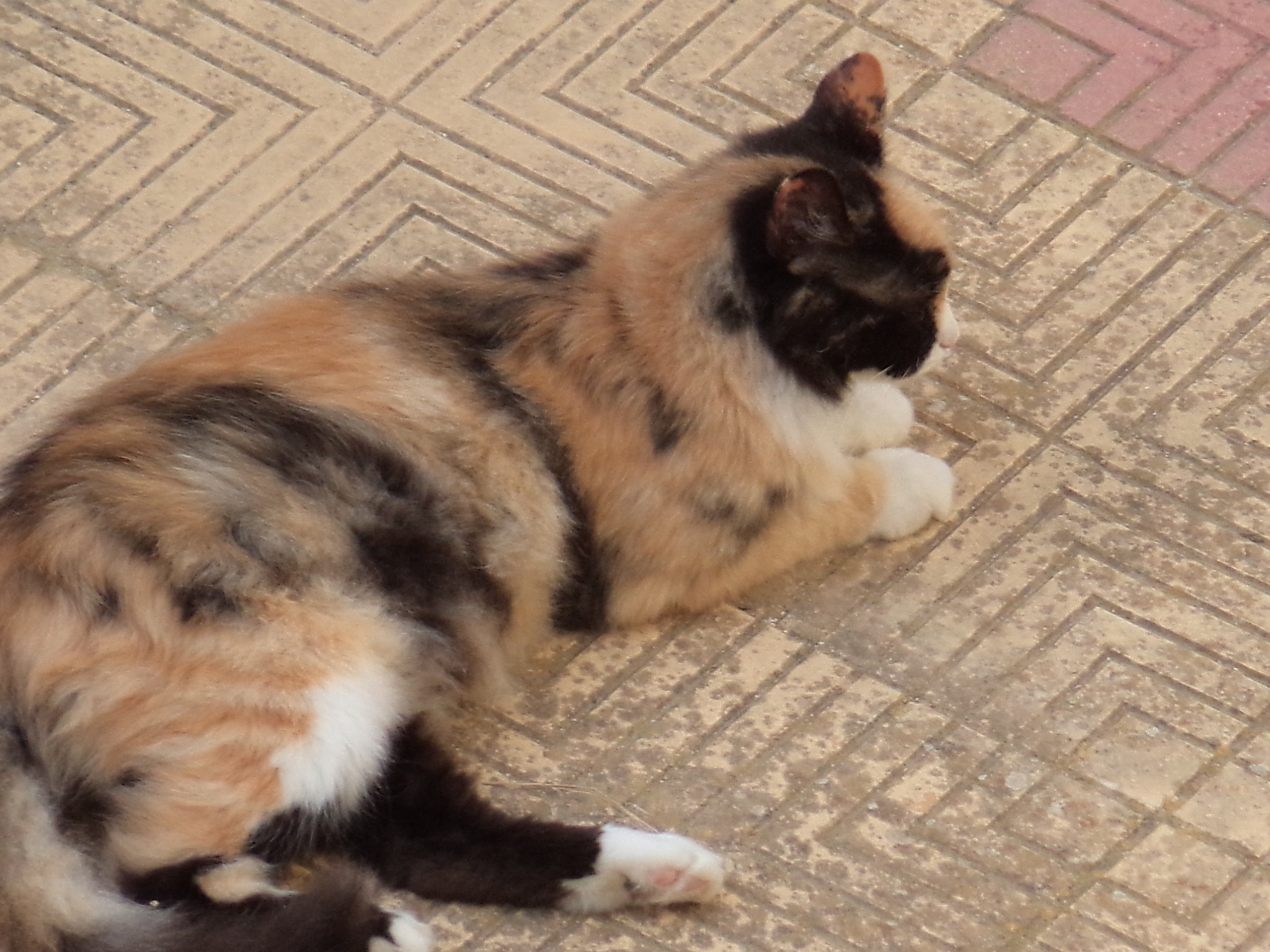
November. With her winter ruff and fluffy tail, The Cat was winter-ready. November could be cool, windy and rainy, and she would spend more time in her favourite boxes on the verandah which was more sheltered than out in the garden.
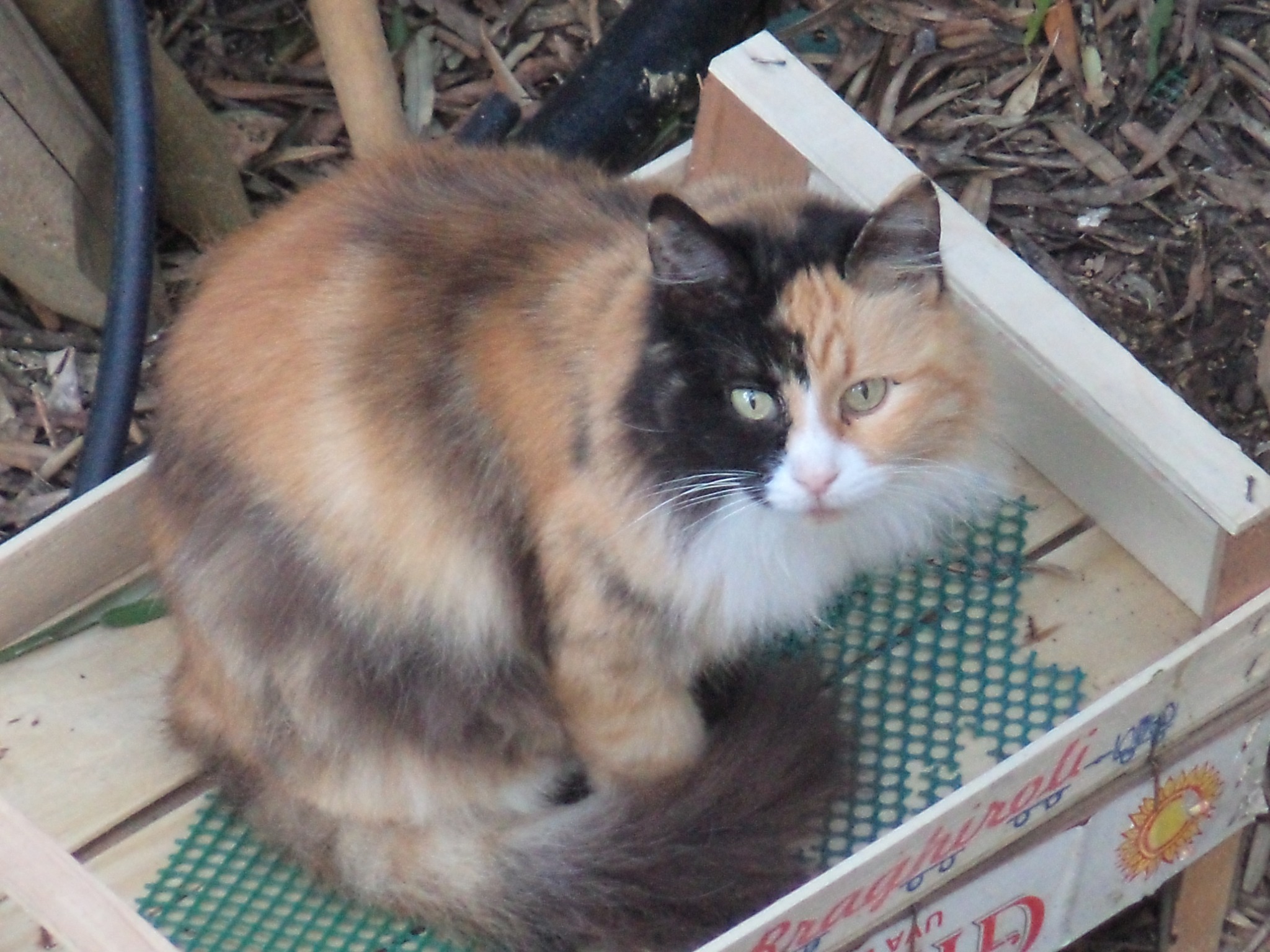
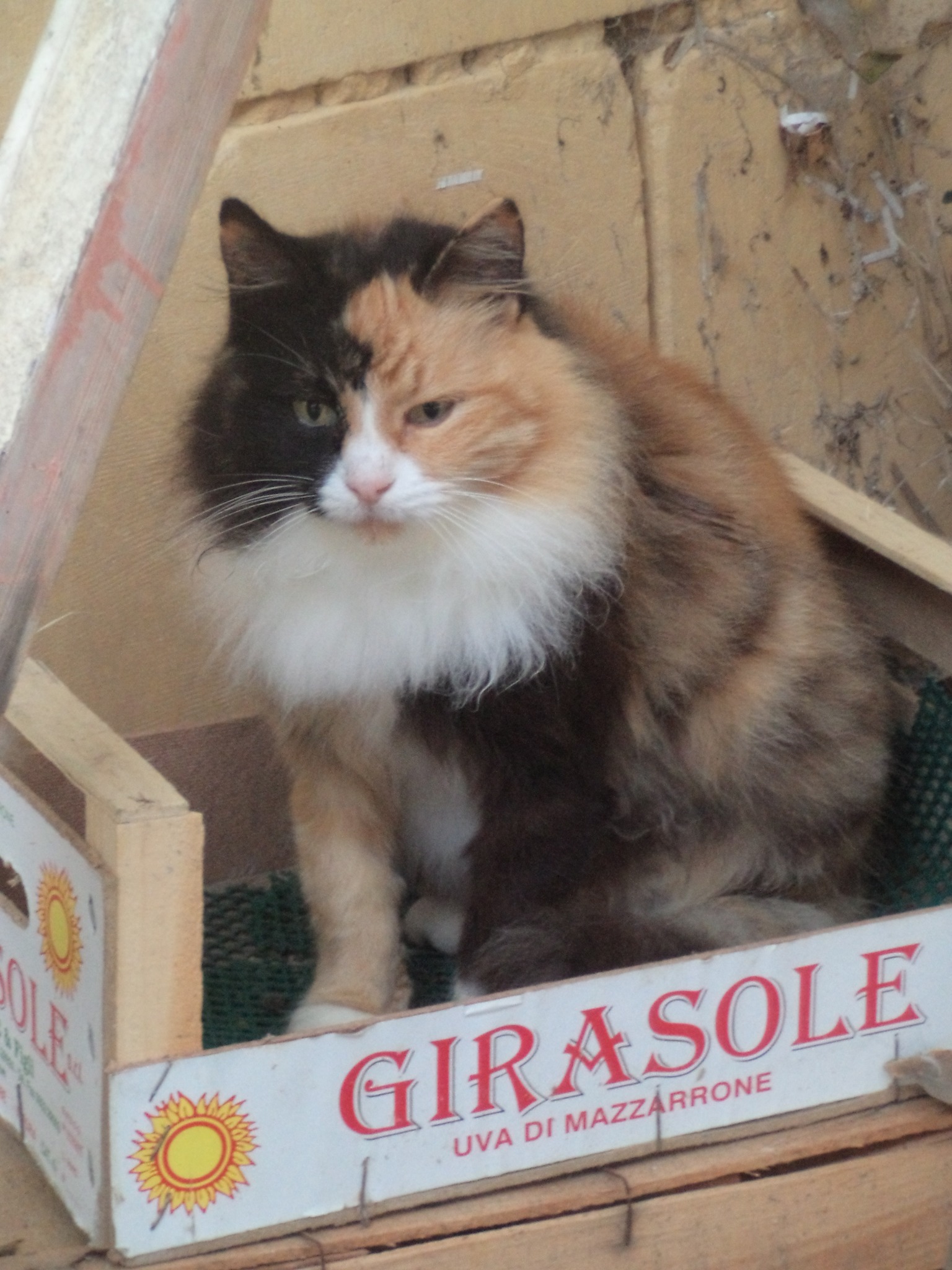
December. The Cat’s winter plumage, complete with ruff. Her legs looked twice as big as they did in the summer and it was always a surprise to stroke her and discover so little cat under all that fur. The older she became, the more warmth she craved, so boxes in corners were favoured, out of the wind and draughts, and boxes against walls warmed by the sun.
 thecatisbusy
Your kitty is (was) a dear. Thank you for caring for her. We have a tortoiseshell kitty, rescued as a kitten and she has a simliarly split face.
LikeLike
Oh how lovely – every tortoiseshell/calico is different but they all seem to have that feisty spirit! Thanks for reading my blog 🙂
LikeLiked by 1 person