
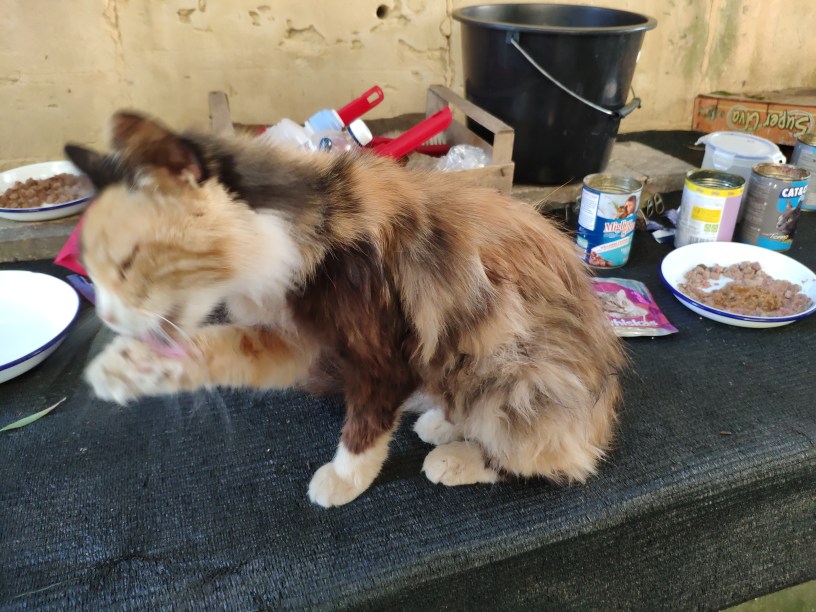
That spring, it wasn’t just The Cat who was feeling her years. Some of The Visiting Cats had now been coming to eat for many years and, considering that they were mature adults when they started to visit, they could well have been as old as The Cat (who was already an adult when we had met, eleven years ago).
Gypsy, who had arrived during the pandemic, had decided to stay but her health was declining. She had always had problems with her digestion which she had managed to shrug off, but they were becoming more difficult to fight off as time passed. Her coat was not as good as it had been and you could see that there was less cat beneath that fur than there had been a year ago.
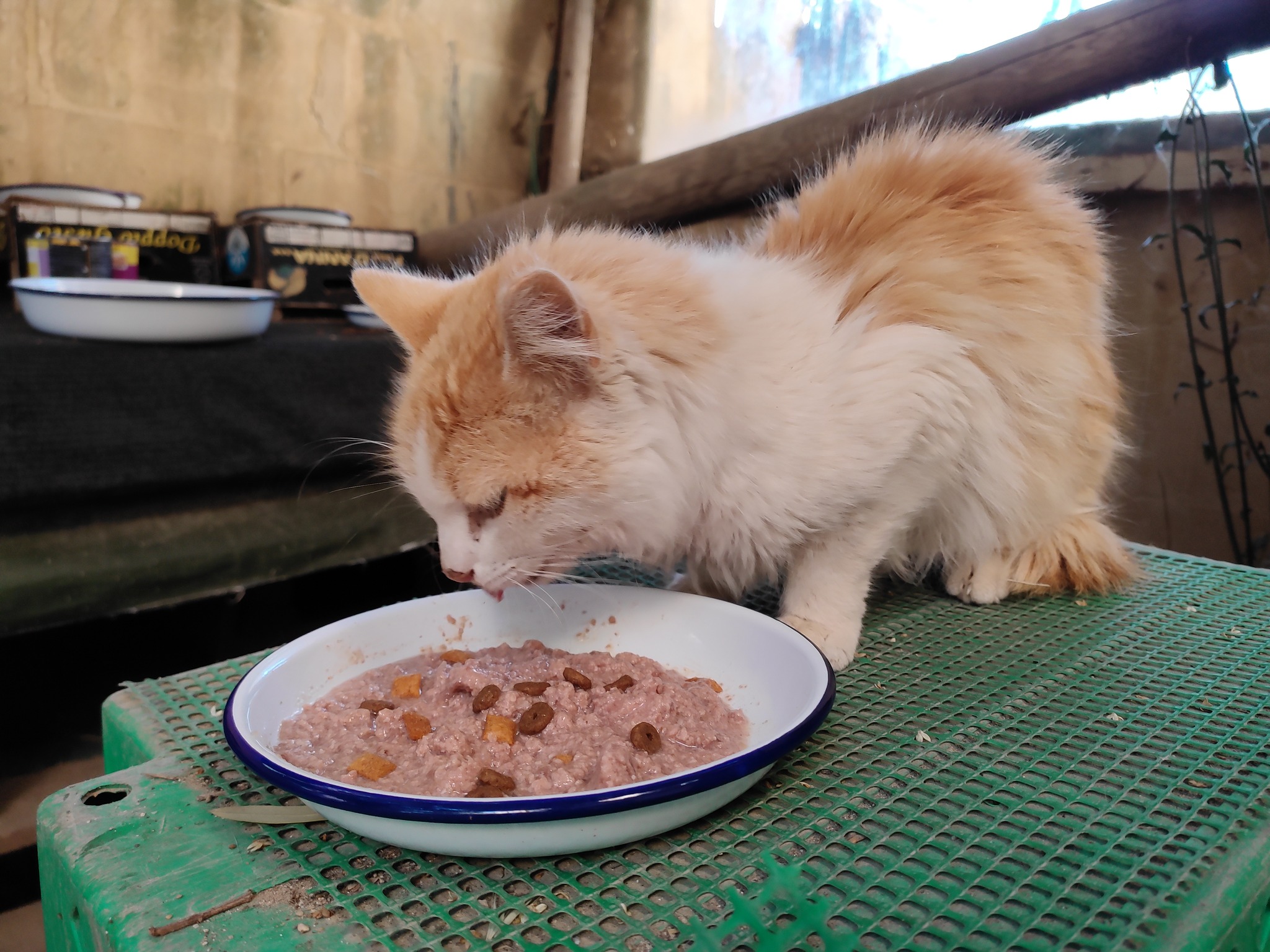
The Visiting Cat who we now called ‘il-Ħadd 2.0’ might have been the original il-Ħadd, but having lost the sight (entire or part) in one eye. He was anything but friendly so there was nothing we could do to help, in any case. He adapted and managed fine; there were other cats with impaired vision such as Thundercat, and they went about their daily lives just as the others did.
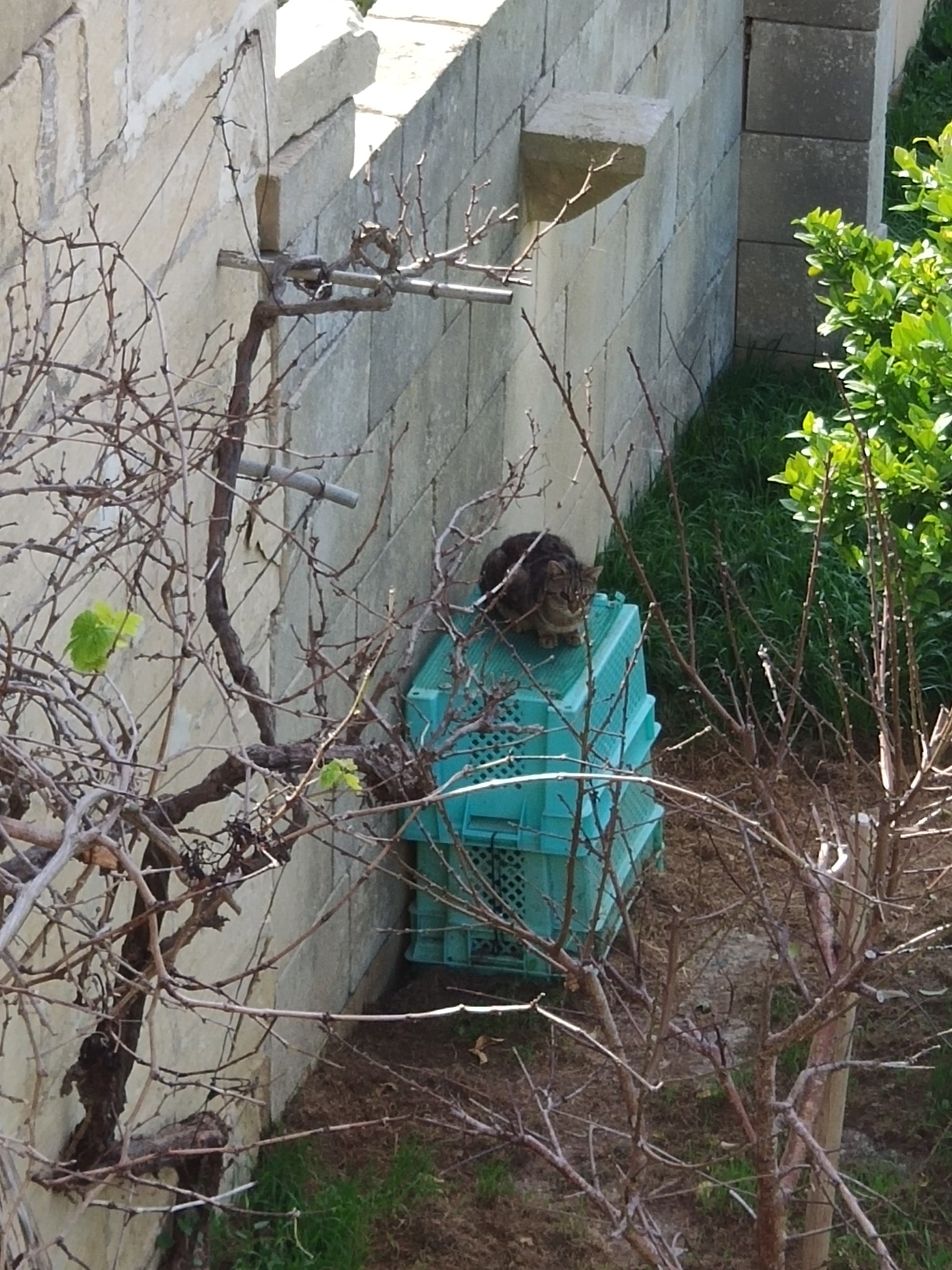
Mr Bright, a veteran alpha-male, had sustained a break to one of his front legs. He refused to let it heal and carried on fighting for his top position in the hierarchy, which led to his having a permanently bent leg and a limp. He was a fierce fighter and the younger males were in awe of him. His only real rival was NVQ but luckily, the surrounding fields were big enough for them both to have their own domain, so they managed to avoid each other for most of the time.

Madam Kiwi was a CH cat and had, over the years, lost a lot of her teeth including her fangs as she could not control her landing when she jumped down and often knocked her jaw on the ground. Cerebellar hypoplasia is a condition which is present since birth which means that cats who are affected know no different and can adapt as best they can to living within their abilities. For Kiwi (who was fortunately only mildly affected) access to regular food and water allowed her to build up her muscles and gain strength.

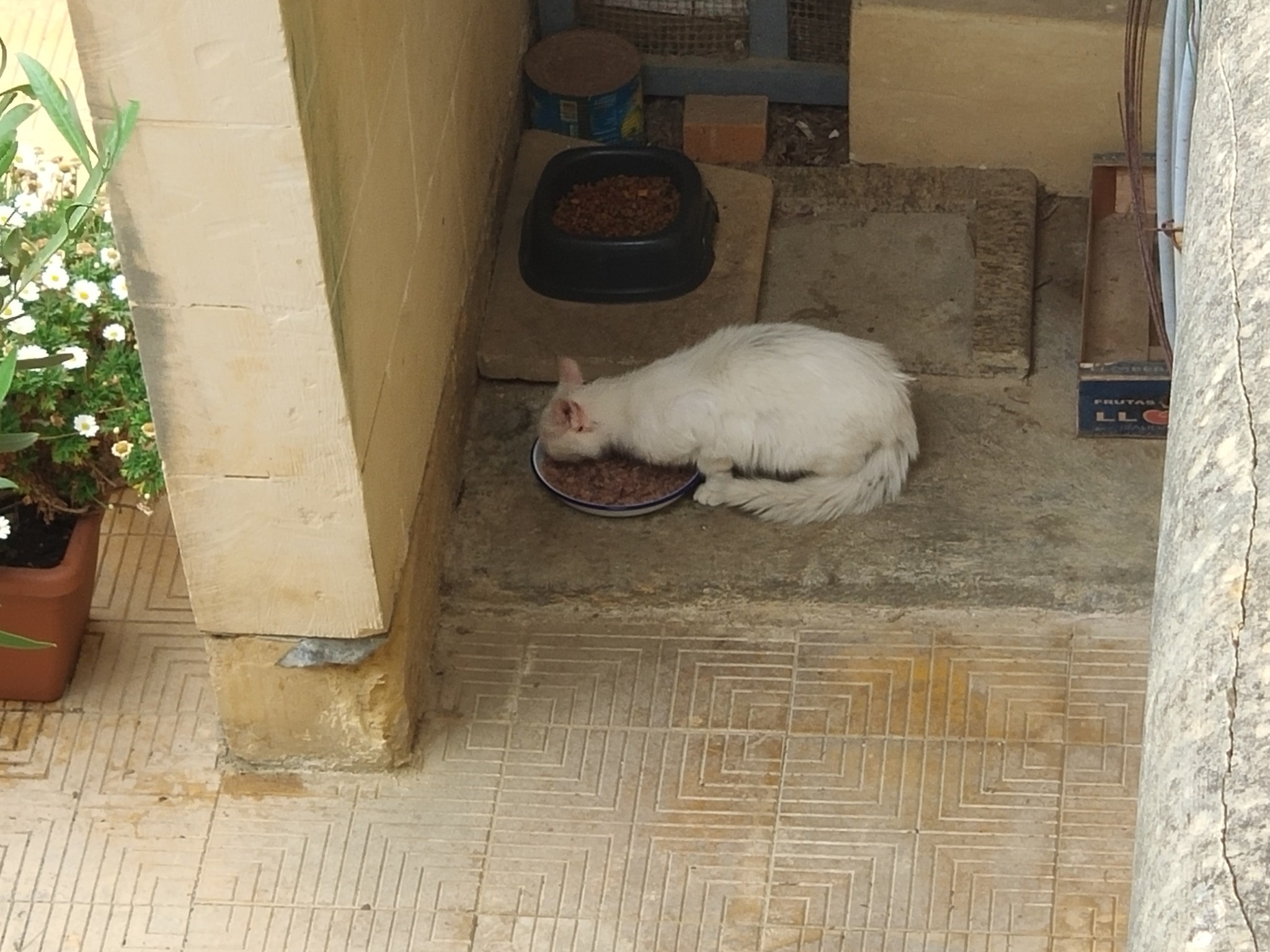
There were another two elderly Visiting Cats who arrived that spring, one orange and one white. They only came for a week or two, but it was obvious that they were elderly and not as fit as they had been.

And, of course, there was The Cat. Her infirmities were making her grumpy. She had a bad attack of mange (probably made worse by her suppressed immune system) and chronic FOPS (feline orofacial pain syndrome) which she found annoying and upsetting. In spite of the way her fur had improved over the years we had been looking after her, she had remained very slender underneath, and now in her latter months, her age was beginning to show.
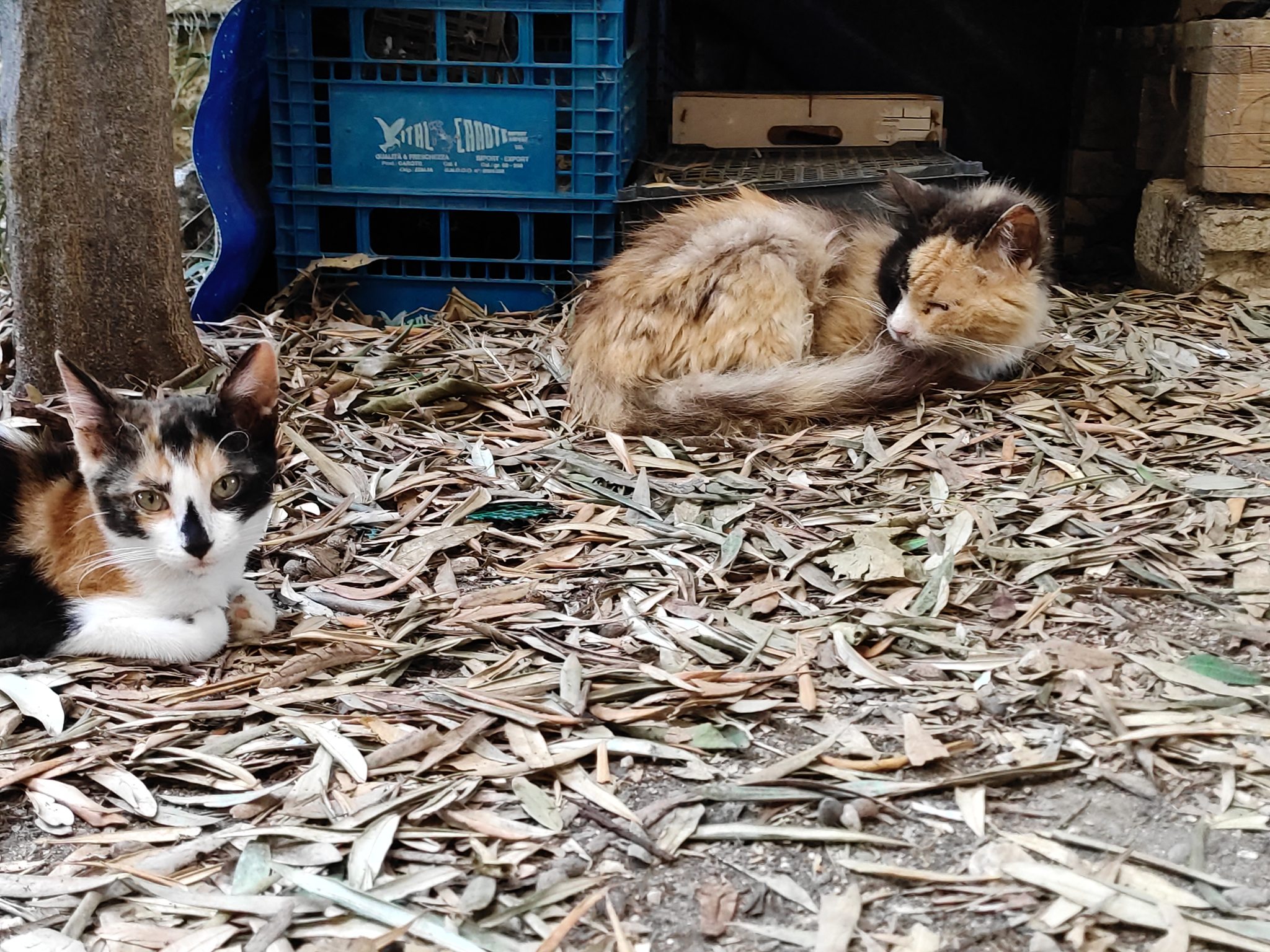
Despite this, she still wanted to be involved in everything, napping in the middle of the garden, joining the other cats at their meals, and remaining the one and only highly-respected matriarch of the garden.
 thecatisbusy